
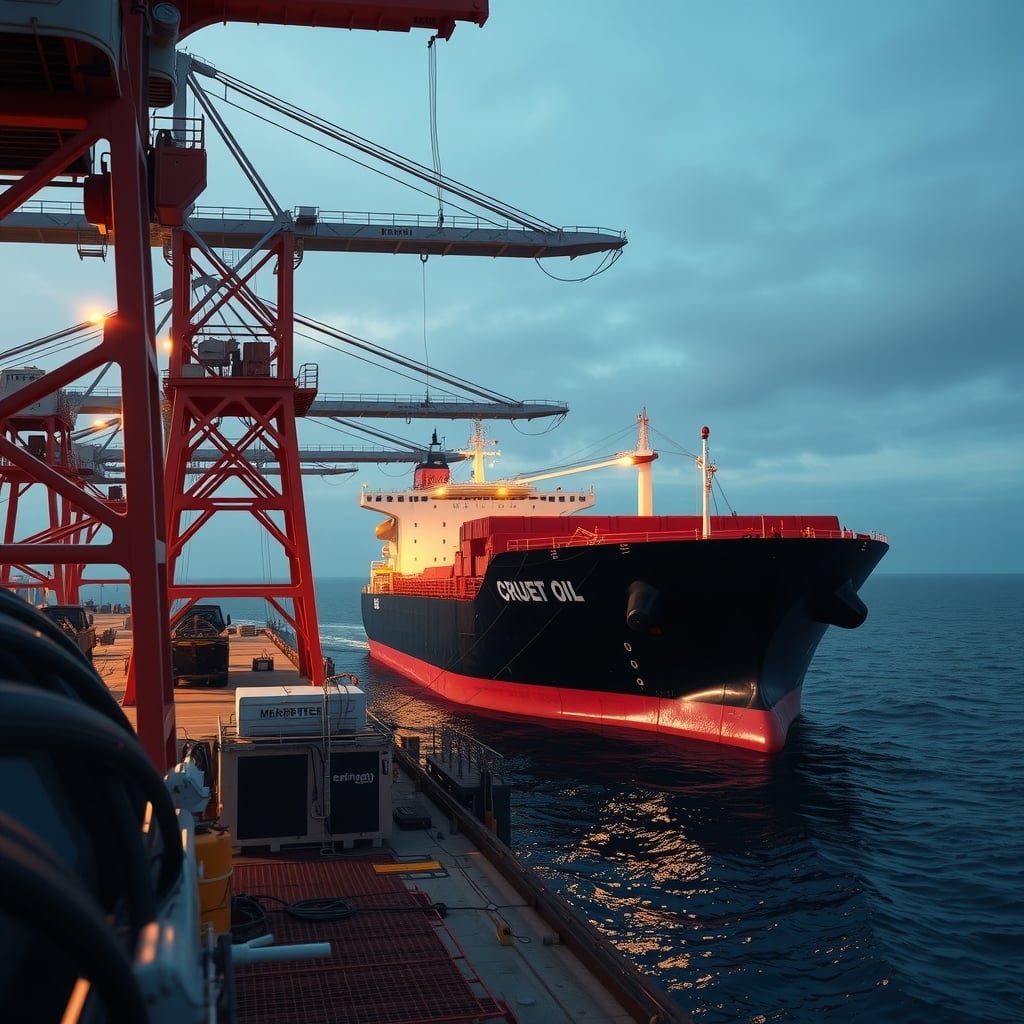
Canada Moves Forward with New Pacific Coast Pipeline
Canada has taken a significant step towards opening a major new crude export route to Asia, with plans for a Pacific Coast pipeline that could add over 1 million barrels per day of tanker-loading capacity from southern British Columbia.
Project Overview
The proposed pipeline would run from Bruderheim, northeast of Edmonton, to the southern British Columbia coast, broadly following the existing Trans Mountain corridor. This project aims to reduce Canada's dependence on the US market and give Alberta crude greater access to Asian buyers.
Impact on Trade
The new pipeline would deepen Canada's emergence as a Pacific crude exporter and create another long-haul aframax and potentially suezmax trade into Asia, depending on terminal configuration, parcel size, and buyer demand.
Key Facts
- The Trans Mountain Expansion, which came online in May 2024, has already reshaped Canadian crude flows.
- Canada's energy regulator said the expansion nearly tripled Trans Mountain system capacity to 890,000 barrels per day.
- Asian demand is driving the growth, with around two-thirds of all Canadian crude exports from the Trans Mountain system destined for Asia-Pacific.
The new pipeline remains politically and environmentally sensitive, but Canada has pledged to preserve the oil tanker ban off northern British Columbia, and the proposed southern route would keep the project within an already established energy corridor.