
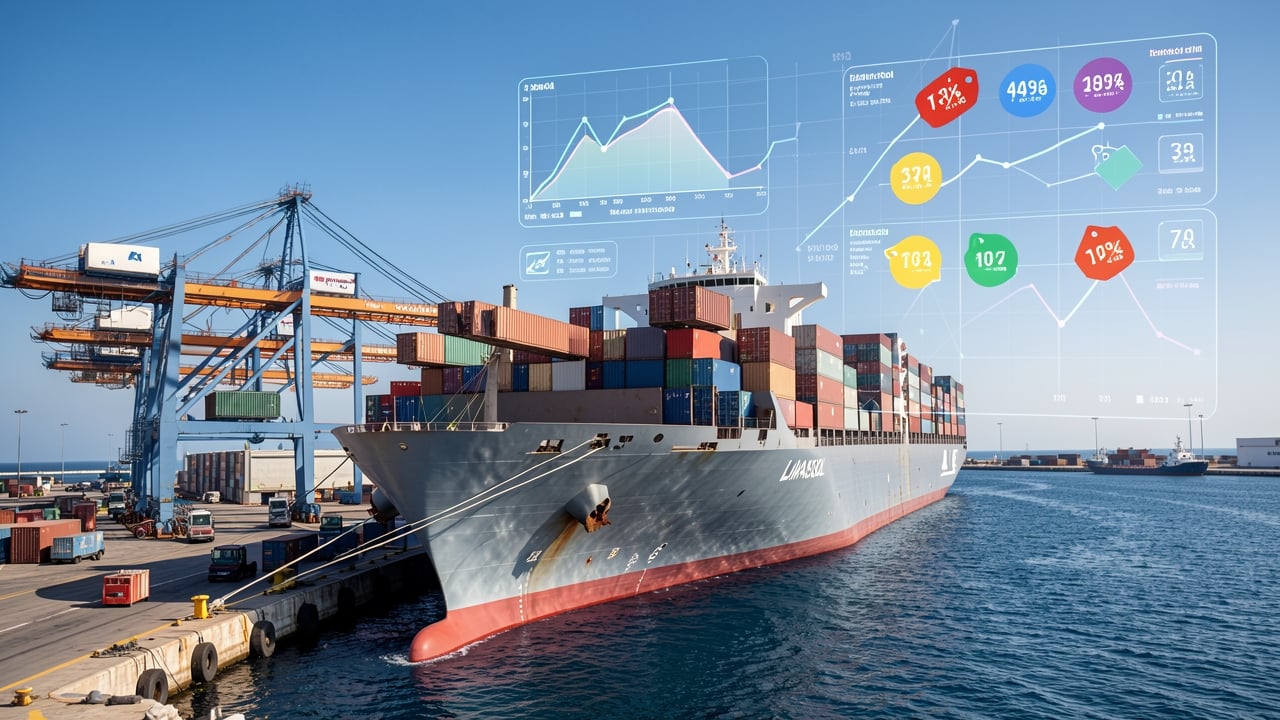
Overview of August 2026 Inflation in Cyprus
The Consumer Price Observation Service, operated by the Consumer Protection Agency, released its August 2026 report showing a continued rise in the price of everyday goods. The annual inflation rate climbed to +3.5%, up from +2.9% in July, reflecting the cumulative effect of the conflict in the Middle East on energy markets.
Key Drivers of the Price Increase
- Petroleum products: +20.3% year‑on‑year
- Electricity and water: +6.0% year‑on‑year
- Broad basket of 250 essential items across 45 categories surveyed in 400 retail outlets island‑wide
Category‑Level Movements
Compared with the previous month, 19 categories posted price gains, while 25 categories fell. The most notable increases were:
- Cooking oil: +3.7% (vs. +11.3% YoY)
- Fresh vegetables and greens: +3.2% (vs. +1.0% YoY)
- Charcoal for grilling: +2.9% (vs. +9.1% YoY)
- Sugar: +1.9% (down 2.1% YoY)
- Spices (e.g., pepper): +1.4% (vs. +4.7% YoY)
- Cheeses: +1.4% (vs. +3.2% YoY)
Meanwhile, the biggest declines were recorded in frozen seafood and related products, with frozen mussels and shellfish down –11.9% (still +2.0% YoY) and fresh fish –4.9% (up +6.1% YoY).
Implications for Shipping and Logistics
For maritime operators and freight forwarders serving Cyprus, the inflation dynamics translate into higher operating costs on several fronts:
- Fuel surcharge escalation: The 20% surge in petroleum prices directly raises bunker costs for vessels calling at Limassol and Larnaca ports.
- Utility expenses at terminals: Increased electricity and water rates affect terminal operators, potentially leading to higher handling fees.
- Freight pricing pressure: Shippers may pass on part of the cost increase to importers, especially for temperature‑controlled cargo such as fresh fish, which already faces volatile pricing.
- Inventory management: Retailers are likely to tighten inventory turnover, prompting more frequent, smaller shipments—a trend that could affect vessel stowage planning.
Strategic Recommendations for Stakeholders
Given the ongoing price volatility, maritime and logistics professionals should consider the following actions:
- Utilise the Consumer Protection Agency’s e‑Kalathi platform (www.e-kalathi.gov.cy) to monitor real‑time price indices and adjust freight contracts accordingly.
- Explore fuel‑efficient routing and slow‑steaming options to mitigate bunker price spikes.
- Negotiate longer‑term utility contracts with port authorities where possible to lock in rates.
- Implement dynamic pricing tools for temperature‑sensitive cargo to reflect both market demand and cost inputs.
Looking Ahead
While 40 of the 45 product categories still show price gains compared with August 2025, the mixed picture of rises and falls suggests a volatile environment. Maritime stakeholders should stay vigilant, leveraging data‑driven insights to maintain competitiveness in the Cypriot market.
For detailed statistics, visit the Consumer Protection Agency’s website or download the mobile application available on the e‑Kalathi portal.