
Background of the EU Customs Code Reform
The European Parliament has approved a comprehensive amendment to the EU Customs Code, tightening rules on electronic commerce and establishing a dedicated EU Customs Authority. A key element of the reform is the introduction of a handling fee for parcels originating from third‑country online retailers and shipped directly to end‑customers in the Union.
Scope and Payment of the New Fee
Effective 1 November 2026, every item purchased from a non‑EU e‑shop and delivered directly to a consumer within the EU will be subject to a handling charge. The fee is to be paid by the entity responsible for the parcel’s customs clearance – typically the customs broker or the seller’s appointed representative. The exact amount will be set by the European Commission and reviewed every two years to reflect market conditions.
Who Is Considered the Importer?
Under the new rules, online sellers and the platforms that facilitate cross‑border sales will be treated as importers. Consequently, they must:
- Provide customs authorities with all required documentation for each shipment.
- Pay or guarantee the handling fee and any other applicable duties.
- Ensure that imported goods comply with EU safety, environmental and labeling regulations.
To fulfill these obligations, the seller must have a legal presence in the EU or be represented by an established entity with “approved economic operator” or “trusted trader” status.
Sanctions for Non‑Compliance
Repeated breaches will attract fines ranging from 1 % to 6 % of the total value of goods imported during the preceding 12‑month period. Customs authorities will also have the power to suspend or withdraw the trusted‑trader status of offending parties and may classify them as high‑risk operators, triggering additional inspections.
EU Customs Data Hub – A Digital Backbone
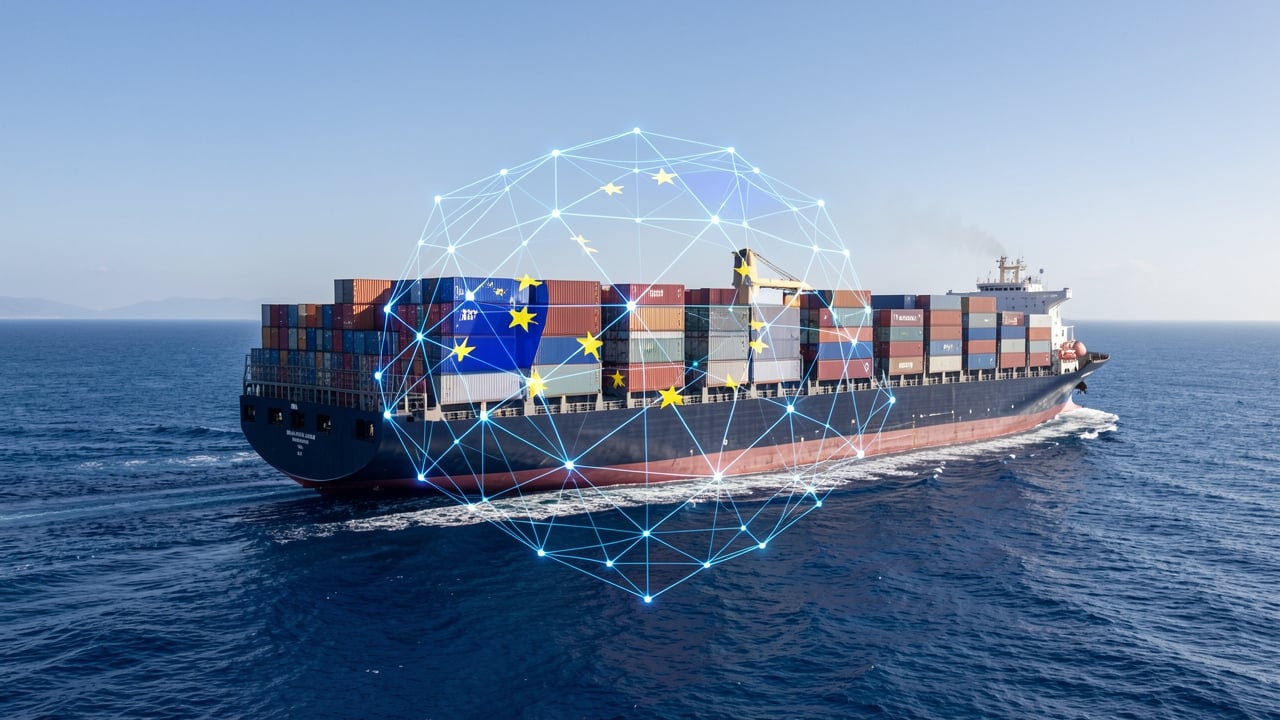
Parallel to the fee, the reform mandates the creation of a pan‑European digital customs system – the EU Customs Data Hub. This platform will centralise information on all e‑commerce shipments, streamline risk analysis, and facilitate real‑time data exchange between national customs administrations and the new EU Customs Authority.
Implications for Maritime and Logistics Stakeholders
Shipping lines, freight forwarders and port operators will see an increase in electronic data submissions and a tighter linkage between sea‑borne cargo and customs processing. Early integration with the Customs Data Hub will become essential to avoid delays and to provide transparent tracking for shippers and end‑users alike.
Companies that already operate trusted‑trader programmes should review their procedures now to incorporate the handling‑fee calculation and to ensure that their digital customs filings meet the forthcoming EU standards.
Key Dates to Remember
- 1 November 2026 – Latest date for EU Member States to start collecting the handling fee.
- Every two years – Review cycle for the fee level set by the European Commission.
- 2027 onward – Full operational roll‑out of the EU Customs Data Hub.
Stakeholders are encouraged to engage with national customs bodies and to prepare their IT systems for the upcoming digital customs environment. Proactive compliance will mitigate financial penalties and preserve smooth supply‑chain flows across European ports.