
Background
Cyprus has been grappling with rising food‑price inflation, driven by higher fuel costs, supply‑chain disruptions and increased production expenses. In response, the government introduced a reduced VAT rate on essential items, while maintaining a zero‑VAT regime for selected goods.
Call for Zero‑VAT Expansion
During a recent interview with InBusinessNews, Marios Antoniou, General Secretary of the Cyprus Retailers Association (PASYLA), welcomed the initiative of the Cyprus Employers and Business Federation (KEBE) to extend the zero‑VAT rate to meat and fish. The federation has submitted a formal letter to Finance Minister Makis Keravnos requesting the tax‑rate expansion.
Why Meat and Fish?
Meat and fish are among the most heavily consumed staple foods in Cyprus. Their price volatility directly impacts household budgets, especially for lower‑income families. A zero‑VAT rate would lower the final retail price, providing immediate relief to consumers burdened by inflation.
Potential Benefits
- Consumer Relief: Direct reduction in retail prices for meat and fish.
- Stabilisation of Basic‑Food Prices: Helps maintain price stability across the food basket.
- Support for Retailers: Reduces the cost pressure on supermarkets and independent grocery stores.
- Positive Trade Balance: Encourages local processing and distribution, strengthening the domestic supply chain.
Challenges and Competitive Pressures
While the proposal promises short‑term consumer benefits, several hurdles remain:
- Fiscal Impact: The zero‑VAT extension would reduce state revenue at a time when the budget is already strained.
- International Competition: Cyprus competes with neighbouring markets that already enjoy lower VAT rates on similar products.
- Supply‑Chain Costs: Fuel price volatility and logistics expenses may offset the tax relief, limiting the net price drop for end‑users.
Industry Response
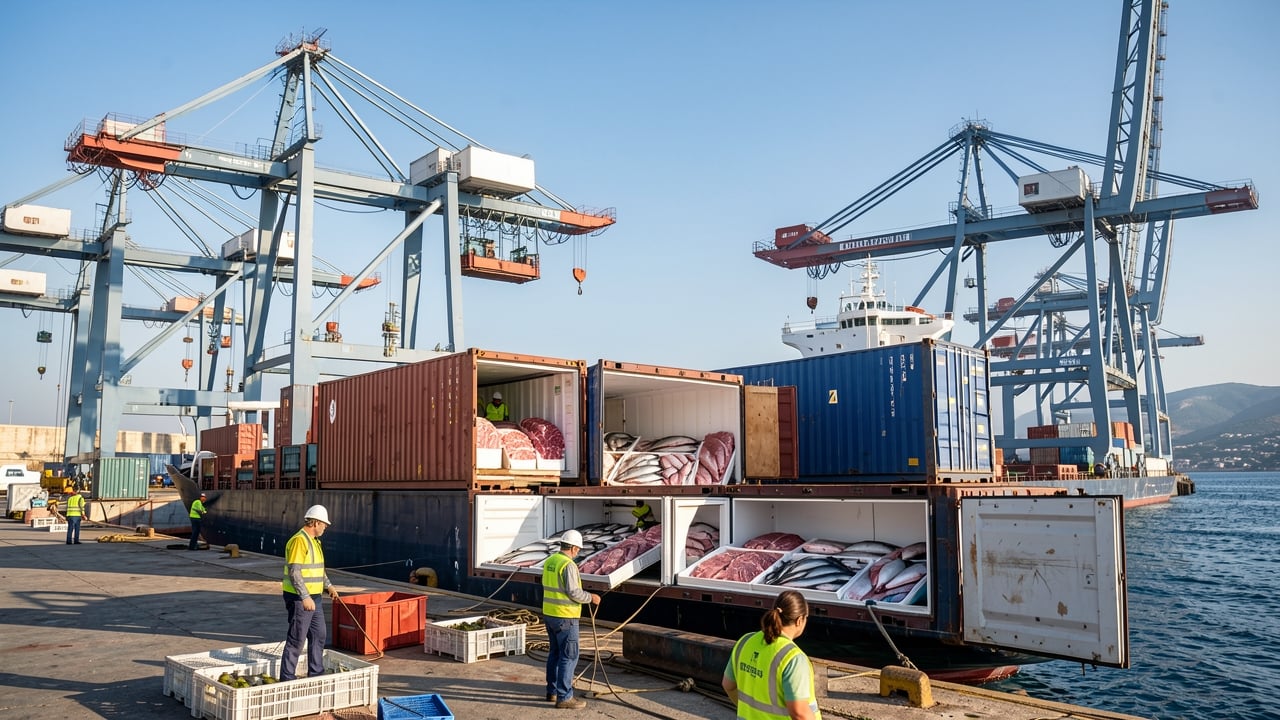
KEBE, representing a broad spectrum of businesses in the food‑supply chain, argues that the measure would enhance market competitiveness and curb the risk of price wars among retailers. PASYLA, meanwhile, emphasises that any tax reduction must be paired with measures to contain logistics costs, such as subsidies for refrigerated transport and streamlined customs procedures at Cypriot ports.
Outlook
The Ministry of Finance is expected to review the proposal in the coming weeks. If approved, the zero‑VAT rate could be implemented from the start of the next fiscal quarter, aligning with other EU‑wide fiscal adjustments. Stakeholders are closely monitoring the development, as the decision will shape the pricing dynamics of essential food items for the remainder of 2026.
Conclusion
Extending the zero‑VAT rate to meat and fish stands as a strategic lever to alleviate consumer pressure while supporting the domestic food‑distribution sector. However, the success of the policy will depend on balancing fiscal sustainability with the need to keep supply‑chain costs in check.