
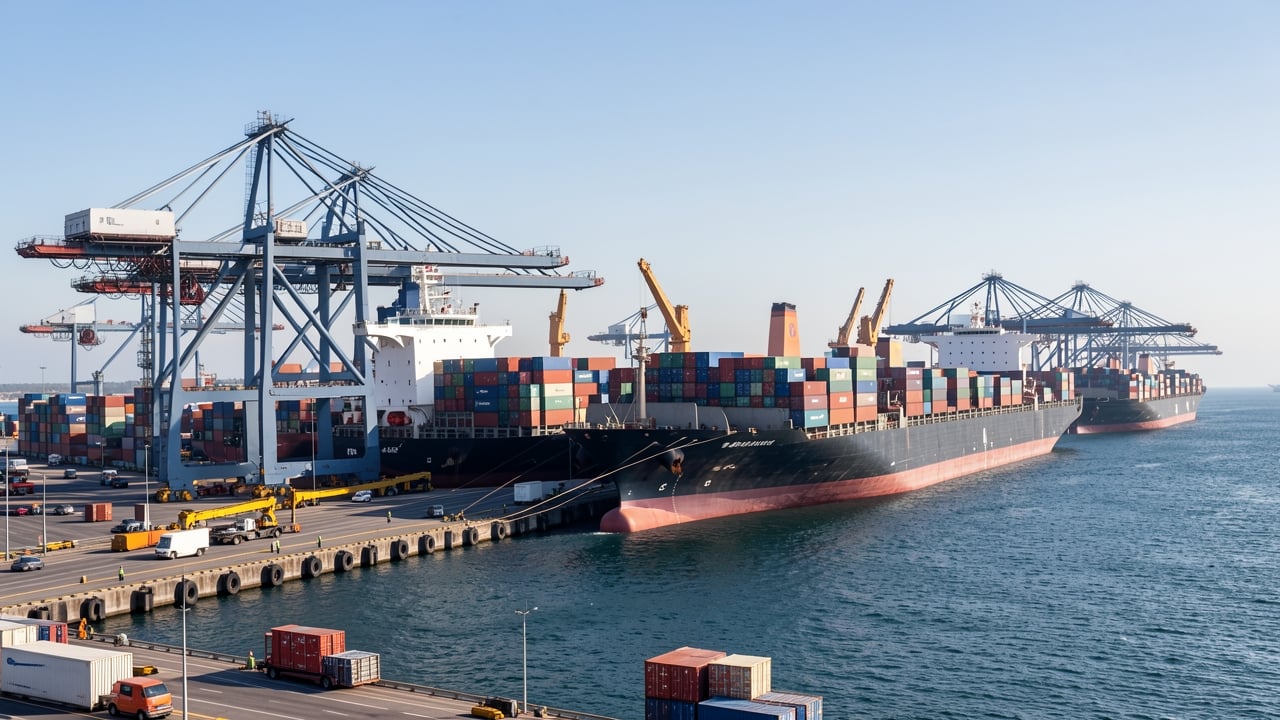
The maritime sector is once again experiencing a remarkable cash surge, with industry analysts estimating more than $3.1 trillion in net earnings since the start of 2021. Yet the atmosphere on board and ashore feels markedly different from the exuberant days of the 2004‑08 super‑cycle.
Record Earnings, Unsettled Foundations
Indices that track freight rates have shattered historical benchmarks. The ClarkSea Index, which aggregates tanker earnings, recently touched an all‑time nominal high, while the Baltic Dry Index crossed the $1 million mark for the first time in a single week. These numbers suggest a market that should be in full celebration.
Why the Mood Is Cautious
Unlike the earlier boom, which was underpinned by China’s relentless industrialisation, today’s profitability is rooted in a series of disruptive forces: Covid‑related supply chain hiccups, extensive sanctions, the Russian invasion of Ukraine, Red Sea diversions, and a resurgence of shadow fleets. In short, the world has become less efficient, and inefficiency translates into higher freight rates.
Key Drivers of the Current Super‑Cycle
- Geopolitical turbulence: Sanctions and conflict have rerouted cargoes, inflating demand for alternate lanes and vessel types.
- Supply‑chain bottlenecks: Port congestions and vessel shortages have lifted spot rates across all segments.
- Energy market volatility: Sharp swings in oil and gas prices have boosted tanker margins, especially for LNG and LPG carriers.
- Regulatory pressure: New emissions standards have accelerated demand for newer, cleaner vessels, tightening supply.
A Rolling, Not Uniform, Boom
The profitability surge has not been simultaneous across all vessel classes. Container ships led the charge, followed by car carriers, LNG/LPG vessels, product tankers, crude tankers, and finally dry bulk carriers. This staggered pattern indicates a “rolling” super‑cycle, where each segment enjoys its own wave of high freight rates before the next follows.
Stronger Balance Sheets, Lower Leverage
Shipowners now operate with healthier balance sheets. Debt levels have been trimmed, dividends have risen, and share buy‑backs are commonplace. The pre‑2008 model—where rising vessel values financed ever‑greater leverage—has been replaced by a more conservative capital structure, reducing the risk of a systemic collapse.
Uncertainty Over Future Orders
Despite abundant cash, owners are hesitant to commit to new builds. Predicting the optimal vessel type, propulsion system, and fuel choice for the next 20‑30 years is fraught with uncertainty. The market’s volatility makes long‑term ordering decisions far more complex than during the previous boom.
Looking Ahead
While the current earnings surge is undeniable, its longevity hinges on the continuation of the very disruptions that created it. A swift cease‑fire in Ukraine, a resolution of Red Sea tensions, or a rapid post‑pandemic normalization could curtail tonne‑mile volumes almost as quickly as they inflated them. The industry must therefore balance celebration with prudence, preparing for a future where uncertainty, rather than confidence, drives strategic decisions.