
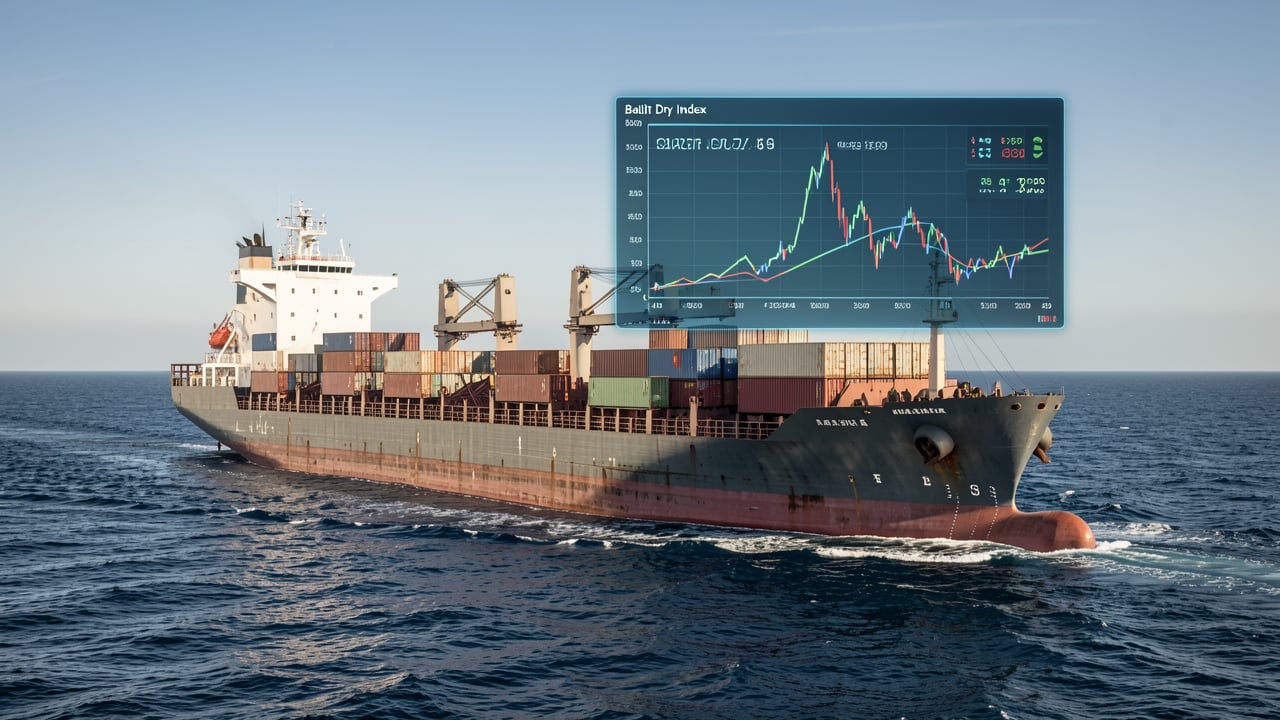
On Tuesday, 3 November 2026, the Baltic Dry Index (BDI) slipped by 58 points, closing at 2,590. Compiled daily by the London‑based Baltic Exchange, the index aggregates freight rates for key dry bulk commodities such as coal, grain and iron ore. The modest decline follows a period of heightened volatility driven by geopolitical tensions and shifting supply‑demand dynamics in major export regions.
What the latest movement means for the market
A BDI level of 2,590 signals a moderate easing of freight rates after a series of modest gains earlier in the year. While still well above the historic low of 290 recorded in February 2016, the index remains considerably below the all‑time peak of 11,793 reached in May 2008. Traders interpret the recent dip as an early indicator of a potential softening in the dry bulk market, especially for iron‑ore and thermal coal routes.
Key drivers behind the 58‑point drop
- Red Sea disruptions: Ongoing security incidents have forced many vessels to reroute, increasing transit times and fuel consumption, which in turn pressure freight contracts.
- Hormuz traffic slowdown: Despite a three‑month high in vessel crossings, congestion and heightened insurance premiums are dampening price optimism.
- China’s import moderation: Slower steel‑making output in China reduces demand for iron‑ore cargoes, a core component of the BDI calculation.
- Seasonal grain flow adjustments: Early‑season weather patterns in the U.S. Midwest have altered harvest schedules, influencing grain shipment volumes.
Historical context and future outlook
The BDI has long served as a barometer for global economic health, given its sensitivity to both supply‑side constraints and demand‑side fluctuations. After the sharp rebound observed in 2023–2024, market participants are now watching for signs of a sustained correction. Analysts suggest that unless geopolitical tensions in the Red Sea and the Strait of Hormuz ease, freight rates may face additional pressure.
Looking ahead, the next quarter will be pivotal. Seasonal demand spikes in the Northern Hemisphere, coupled with potential easing of insurance surcharges, could restore upward momentum. Conversely, any escalation of maritime security incidents or a further slowdown in Chinese steel production could keep the index on a downward trajectory.
Implications for shipowners and charterers
Shipowners are likely to reassess vessel deployment strategies, prioritising routes with stable demand and lower risk premiums. Charterers, on the other hand, may leverage the softer rates to negotiate more favorable terms for upcoming contracts, especially in the coal and grain segments.
In summary, the 58‑point decline to 2,590 underscores a transitional phase for the dry bulk market. Stakeholders should monitor geopolitical developments, seasonal cargo patterns, and macro‑economic indicators to gauge the direction of freight rates in the coming months.