
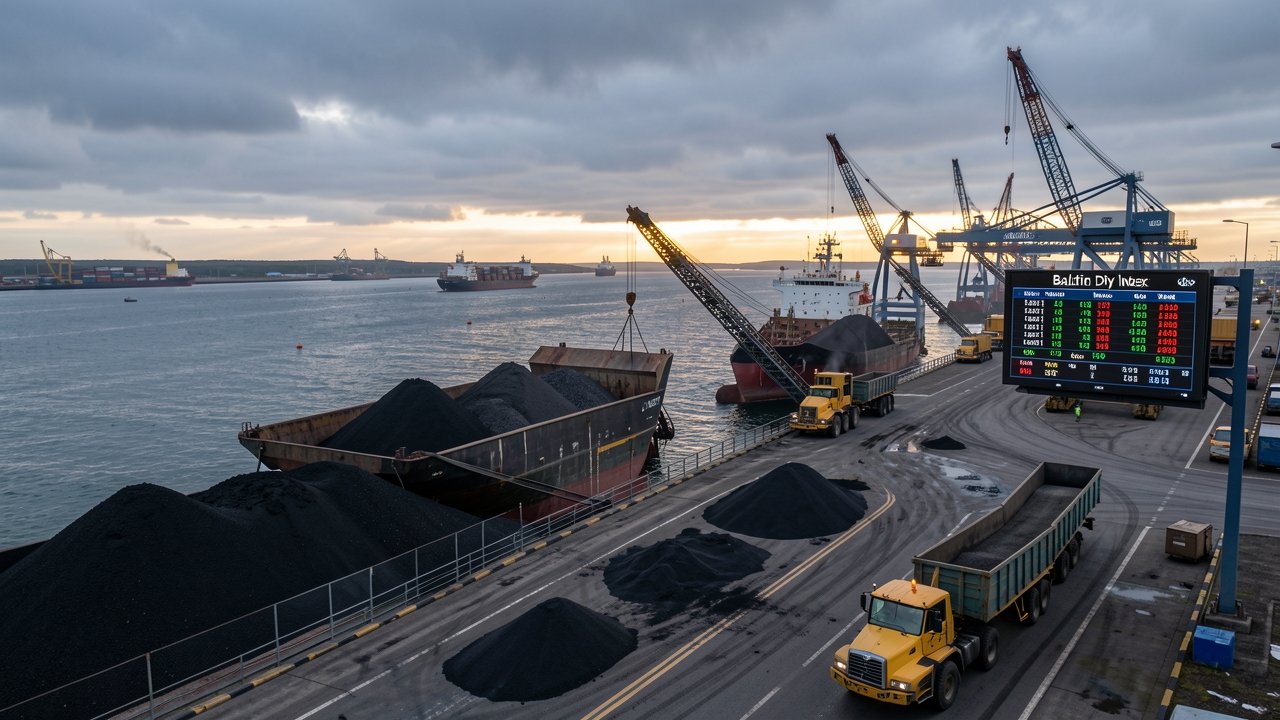
Baltic Dry Index records a modest decline
On Friday, 13 November 2026, the Baltic Dry Index (BDI) slipped by 58 points, closing at 2,590. The movement reflects a short‑term weakening in the dry‑bulk freight market, driven by subdued demand for key commodities such as coal, grain and iron ore.
How the index is compiled
The BDI is compiled by the London‑based Baltic Exchange, which surveys a global network of shipbrokers and agents each day. The index aggregates spot rates for four dry‑bulk vessel classes – Capesize, Panamax, Supramax and Handysize – providing a single barometer of shipping market health.
Recent performance and historical context
Since the start of 2026 the index has oscillated between 2,300 and 2,800 points, mirroring the mixed outlook for global commodity production. The current level of 2,590 is far below the all‑time high of 11,793 recorded on 20 May 2008, a period marked by a commodities boom and limited vessel supply. Conversely, it remains well above the historic low of 290 points reached on 10 February 2016, when a combination of oversupply and weak demand battered freight rates.
Drivers behind the latest dip
- China’s steel output slowdown: Preliminary data for October indicate a 3 % decline in steel production, reducing demand for iron‑ore shipments.
- European coal consumption: Mild winter weather across the continent lowered coal imports, pressuring coal freight rates.
- Grain harvests: Larger‑than‑expected harvests in the United States and Ukraine increased supply, softening freight demand for grain cargoes.
- Fleet utilisation: A modest rise in vessel availability, especially in the Supramax segment, has added marginal capacity to the market.
Implications for shipowners and charterers
For shipowners, the dip signals a need to manage operating costs carefully, particularly fuel expenses and dry‑dock scheduling. Charterers, on the other hand, may benefit from more competitive spot rates, potentially improving the cost base for end‑users of bulk commodities.
Outlook
Analysts expect the BDI to remain in a narrow band through the first quarter of 2027, pending developments in global economic growth and the pace of new vessel deliveries. Any resurgence in Chinese industrial activity or a colder winter in Europe could quickly lift freight rates, while continued strong harvests may keep grain freight pressure on the index.
Stakeholders are advised to monitor the Baltic Exchange’s daily surveys and upcoming macro‑economic releases for early signals of market shifts.