
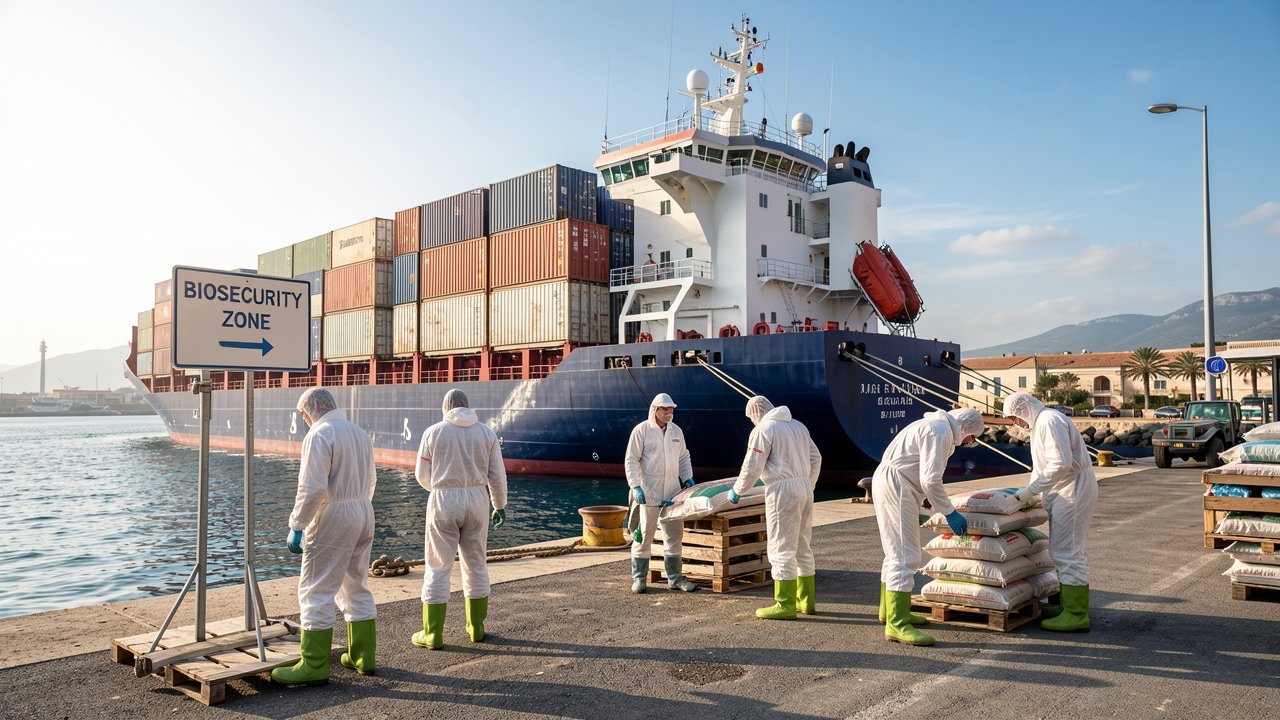
During the 8th Pan‑Cypriot Conference on Milk, Agriculture and Livestock, Dr. Athanasios K. Rimos, DVM, Veterinary Surgeon (P.T.H.) and Livestock Business Unit Manager for Greece & Cyprus at CYCON Animal Health, highlighted bio‑security as the cornerstone of animal‑health protection and production stability.
Why Biosecurity Matters
Rimos explained that bio‑security encompasses every preventive action designed to stop the introduction or exit of infectious agents and to limit pathogen spread within a herd. He warned that without a bio‑secure environment, monitoring disease dynamics becomes impossible, and farms remain perpetually vulnerable to new health threats whose financial impact can be incalculable.
Eight Critical External Biosecurity Measures
Focusing on external risk factors, Rimos outlined eight practical steps that farms should implement:
- Proper fencing: Secure perimeters to deter wildlife and unauthorized entry.
- Vehicle disinfection gate: Mandatory cleaning stations for all incoming trucks.
- Dedicated visitor reception area: Controlled access point for personnel and clients.
- Disposable clothing and boot covers: Single‑use apparel for every visitor.
- Continuous rodent‑and‑insect monitoring: Regular pest‑control programmes.
- Verification of SPF certificates: Health certificates for all purchased livestock.
- Quarantine period for new arrivals: Isolated holding before integration.
- Correct dead‑stock disposal: Safe removal and treatment of carcasses.
He emphasized that feed supplies and animal movements represent the greatest vectors for disease introduction, urging farms to treat these as primary SOS signals.
Internal Biosecurity and Daily Hygiene
Rimos also addressed internal safeguards that limit pathogen dissemination once inside the farm:
- Systematic disease monitoring and rapid reporting.
- Meticulous handling of newborns and high‑risk groups.
- Routine cleaning, washing and disinfection of all housing areas.
- Avoidance of unnecessary intra‑farm animal transfers.
- Use of disinfectant‑treated boot covers during daily operations.
By integrating these measures, farms can create a layered defence that reduces disease pressure, protects animal welfare, and ensures uninterrupted production – all essential for maintaining supply‑chain reliability in the region’s agri‑food exports.
Implications for Trade and Logistics
For logistics providers and port authorities, robust farm‑level bio‑security translates into smoother cargo flows, fewer quarantine delays, and greater confidence among international buyers. Aligning transport protocols with on‑farm standards becomes a strategic advantage in the competitive Mediterranean livestock market.