
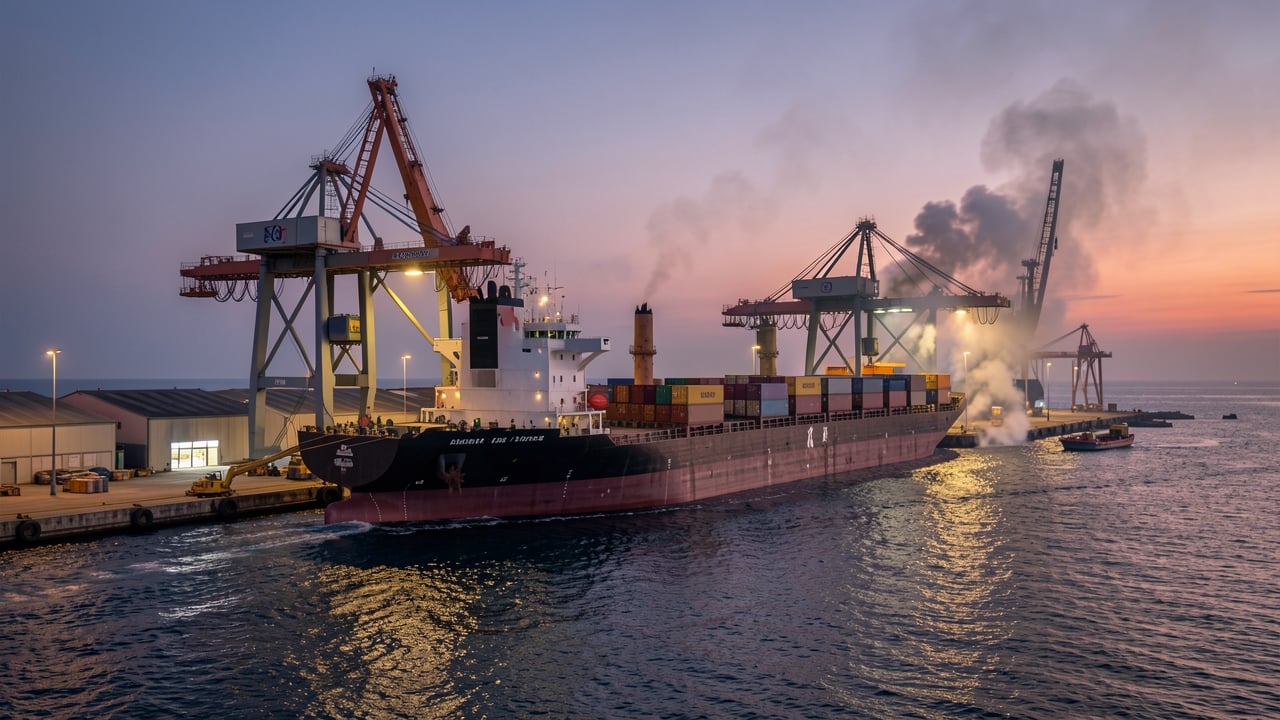
Overview of the Black Sea Situation
The Black Sea corridor remains the premier conduit for sunflower oil exports, supplying more than half of the world’s trade in the commodity. Recent assaults on key port facilities in both Russia and Ukraine have interrupted cargo flows, heightened operational risks, and introduced uncertainty for shippers and charterers.
Consequences for Sunflower Oil Trade
Sunflower oil represented roughly 12 % of global vegetable‑oil (veg‑oil) seaborne traffic in 2025, trailing palm and soybean oils. A sustained decline in shipments from the Black Sea is poised to force major import markets—most notably India—to pivot toward alternative sources. Given the already tight global veg‑oil balance, any contraction in sunflower oil volumes will exert downward pressure on the utilisation of veg‑oil carriers.
Key Infrastructure Attacks
- Russia: The Taman export hub, including EFKO’s dedicated veg‑oil terminal, suffered a severe strike that halted all loading operations. Prolonged inactivity would markedly cut Russian sunflower oil exports.
- Ukraine: Repeated shelling has damaged Kernel’s terminal and other facilities, further constraining the region’s export capacity.
Alternative Shipping Routes – Limited Relief
Exporters are exploring detours, yet each presents challenges that reduce overall tonne‑mile demand for veg‑oil vessels.
- Baltic ports: Russian cargoes are being rerouted northward, extending voyages to Asian markets. The longer distance increases fuel consumption and freight rates, eroding competitiveness.
- Caspian‑Iran corridor: Heavily dependent on rail and multimodal logistics, this route offers minimal seaborne mileage.
- Danube outlets: Ukrainian shipments using inland waterways primarily serve European destinations, limiting impact on long‑haul veg‑oil demand.
Argentina’s expanding sunflower oil output improves global supply, but it is unlikely to fully offset the shortfall generated by Black Sea disruptions.
Broader Veg‑Oil Market Implications
Russia and Ukraine act as price‑setting hubs for sunflower oil. A curtailment of their exports tightens global veg‑oil balances, prompting buyers to shift toward palm, soybean, and rapeseed oils. This substitution pressure may elevate prices across the veg‑oil spectrum and reshape cargo patterns for tankers and bulk carriers alike.
India’s Exposure
India, the world’s largest importer of sunflower oil, is especially vulnerable. The country’s reliance on Black Sea supplies coincides with Indonesia’s B50 biodiesel mandate, which has already diverted significant palm oil volumes to domestic use, shrinking export availability. Consequently, Indian importers have turned to Latin American soybean oil, but the long‑haul nature of these shipments adds cost and logistical complexity. Even a robust soybean harvest in South America is unlikely to completely bridge the gap left by reduced sunflower and palm oil flows.
Outlook
If hostilities and infrastructure damage persist, the veg‑oil shipping market could see a measurable dip in demand for dedicated carriers. Stakeholders should monitor port reopenings, alternative route viability, and emerging supply from non‑Black Sea producers to gauge the depth and duration of the impact.