
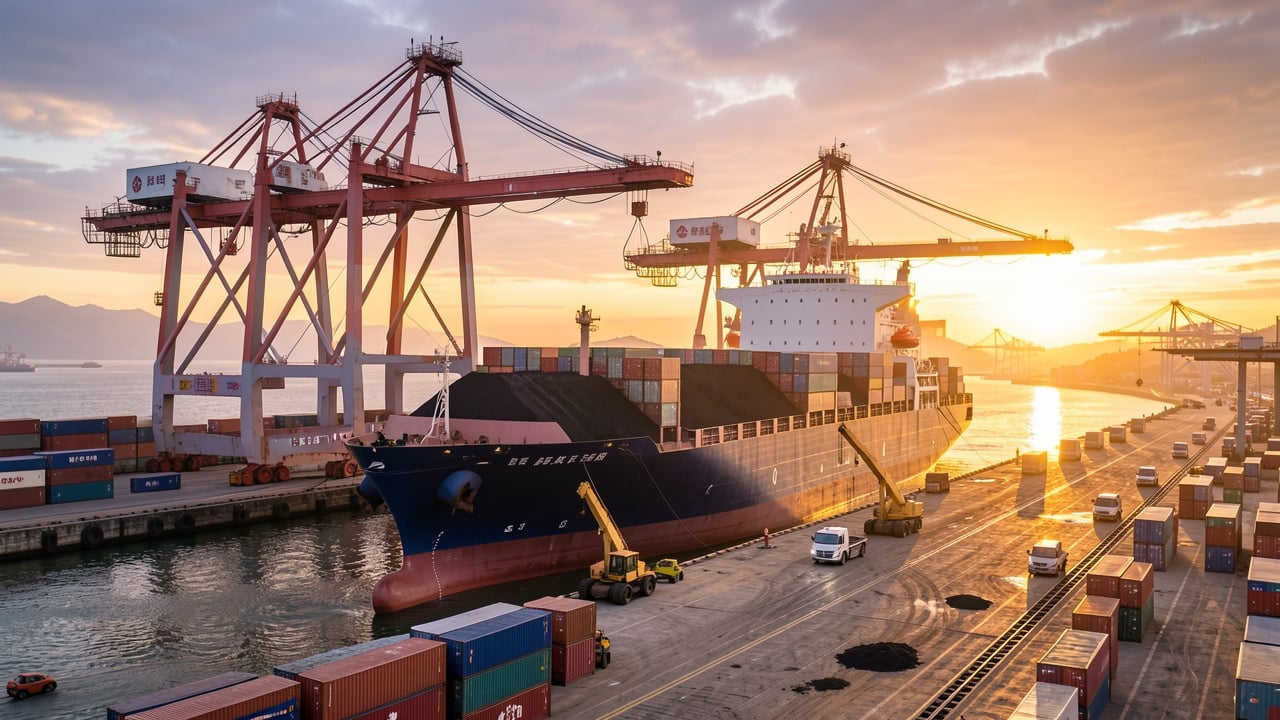
Growing Chinese Appetite for Capesize Vessels
While tanker activity has dominated recent headlines, Chinese shipowners are quietly expanding their dry‑bulk fleets. In the past two weeks, two capesize bulk carriers have changed hands, each transaction underscoring a renewed confidence in the iron‑ore market.
Key Transactions in Early October
- Ekaterini V – 173,555 dwt, built 2012 at Bohai Shipbuilding, was sold by Estonia’s Klip Marine to a Chinese buyer for approximately US$35 million. The vessel is scheduled for a special survey and dry‑docking in January.
- Golden Myrtalia – 177,979 dwt, launched in 2011 at Shanghai Waigaoqiao Shipyard, fetched just over US$40 million from another Chinese purchaser. The higher price reflects its slightly larger deadweight and the perceived reputation of the Shanghai yard.
Both sales represent the first reported capesize deals since September, when Shanghai‑listed HNA Technology acquired the 175,900 dwt Bulk Joyance for US$31.1 million, with delivery slated shortly after the agreement.
Older Vessel Exit
Sunrising International, a trader known for handling second‑hand tonnage, exited the capesize segment by selling the 20‑year‑old Highland (174,092 dwt) for US$25 million. The vessel had been acquired for roughly US$15 million in early 2024, indicating a modest appreciation driven by market dynamics.
Market Backdrop
Clarksons Research reports that its iron‑ore freight index is up about 6 % year‑on‑year, signalling a firmer market environment. The stronger freight rates have encouraged buyers to secure additional capacity before anticipated seasonal demand spikes in the second half of the year.
Implications for the Dry‑Bulk Sector
The recent acquisitions suggest Chinese operators are positioning themselves to capture higher freight earnings and mitigate potential vessel shortages. By targeting capesize ships built in domestic yards, buyers also benefit from familiar construction standards and potentially smoother regulatory approvals.
Outlook
Analysts expect the momentum to continue, especially if iron‑ore demand from Asian steelmakers remains robust. Prospective sellers of similar‑aged capesizes may find a receptive market, while buyers will likely evaluate vessel condition, survey schedules, and shipyard reputation to negotiate optimal pricing.
Overall, these transactions highlight a subtle yet significant shift in the dry‑bulk landscape, with Chinese capital playing an increasingly prominent role in capesize ownership.