
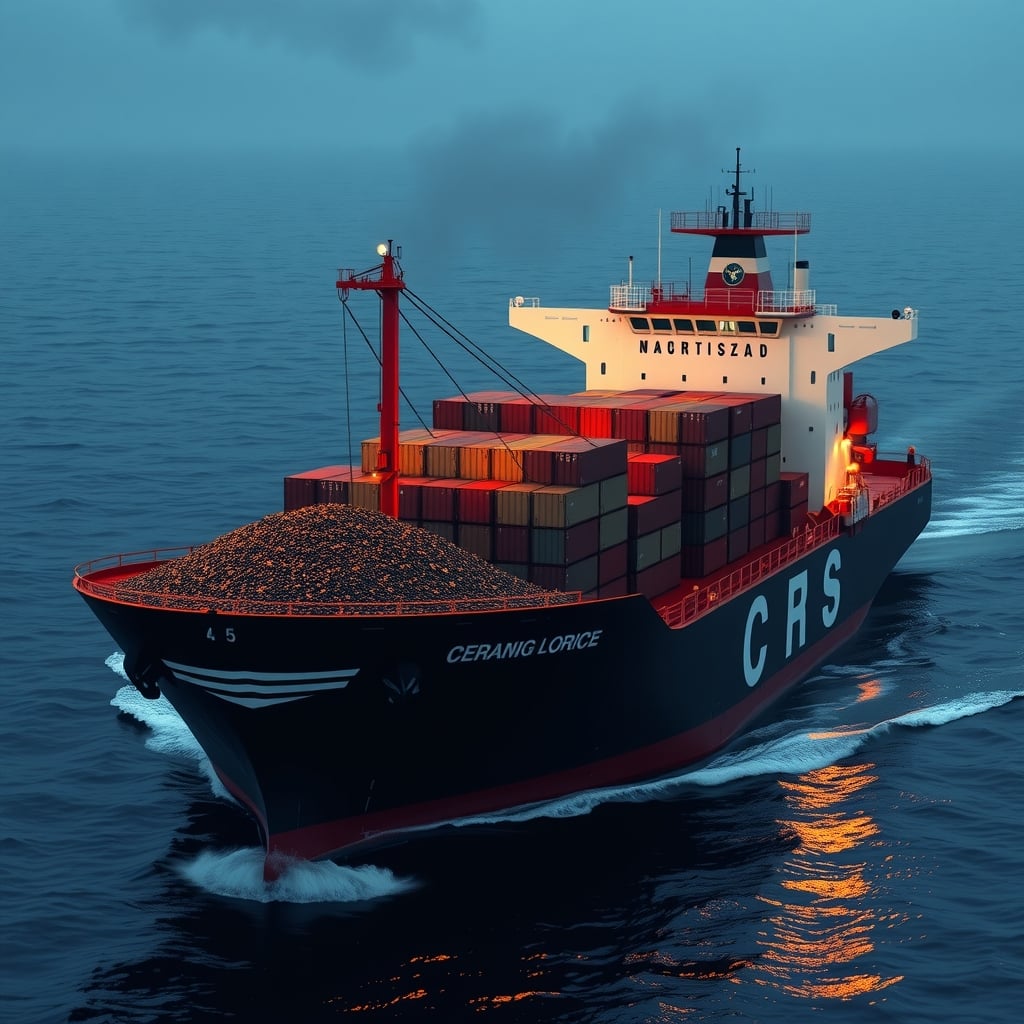
Coal Resurgence Amidst Energy Crisis
That was the unmistakable conclusion from last month’s coal session at Geneva Dry, where shipowners, analysts and operators argued that the escalating Hormuz crisis has radically altered the outlook for seaborne coal and, with it, dry bulk shipping demand.
Energy Security Takes Center Stage
Moderated by Benjamin Wilkes, COO of d’Amico Dry, the discussion quickly evolved beyond coal itself into a broader debate about energy security, geopolitical risk and whether governments are now quietly reassessing the pace of the global energy transition.
“Coal has been remarkably resilient,” Wilkes told delegates. “It keeps getting knocked down only to rise up and come running back at our ESG departments.”
Key Takeaways
- Coal demand is rising due to energy security concerns and disruption to gas supplies
- The conflict around Hormuz could add between 55m and 65m tonnes of incremental coal demand
- Several panellists argued that what had previously been framed as a decarbonisation debate has now become a question of energy resilience
Arrow estimates the conflict could add between 55m and 65m tonnes of incremental coal demand, potentially removing the equivalent of around 100 capesize ships from the spot market.
Industry Insights
Stamatis Tsantanis, chairman and CEO of Seanergy Maritime, revealed that around 40% of his fleet is currently carrying coal cargoes. “We haven’t seen the end of coal yet,” Tsantanis said.
Several panellists argued that what had previously been framed as a decarbonisation debate has now become a question of energy resilience. Nicos Rescos, COO of Star Bulk Carriers, said governments were increasingly prioritising strategic reserves and stable electricity supply over emissions targets.