
Retail Market Gains Momentum in July 2026
According to the Statistical Service of Cyprus, the Retail Trade Volume Index (excluding motor vehicles) recorded a robust 8.9% increase in July 2026 compared with the same month in 2025. The value component of the index rose even more sharply, up 11.0% year‑on‑year.
Seven‑Month Overview (January‑July 2026)
During the first seven months of 2026, the retail sector posted a cumulative growth of 7.9% in value and 6.3% in physical volume. These figures underline a sustained recovery in consumer demand that directly influences cargo flows through Cyprus’ ports.
Key Segments Driving the Upswing
- Fuel sales: Value grew 17.2% while volume rose modestly by 3.4%, reflecting higher fuel prices rather than a surge in consumption.
- IT and communications equipment: Sales volume jumped 25.6% against a 14.2% increase in value, indicating a shift toward higher‑quantity purchases of devices and components.
- Household goods (building materials, furniture, appliances): Both value (15.0%) and volume (16.9%) expanded, suggesting strong demand for home‑improvement items.
- Apparel and footwear: Value rose 9.5% while volume surged 16.4%, a clear sign of consumer preference for quantity over price.
- Non‑store retail (e‑commerce, direct sales): Value increased 15.2% and volume 17.0%, highlighting the growing importance of omnichannel distribution.
Food, Beverage and Tobacco Trends
In non‑specialised outlets such as hypermarkets, sales value grew 9.8% and volume 6.0%. By contrast, specialised food‑drink‑tobacco shops saw a modest 4.0% rise in value and a 0.9% decline in volume, indicating a price‑driven uplift rather than higher consumption.
Implications for Shipping and Logistics
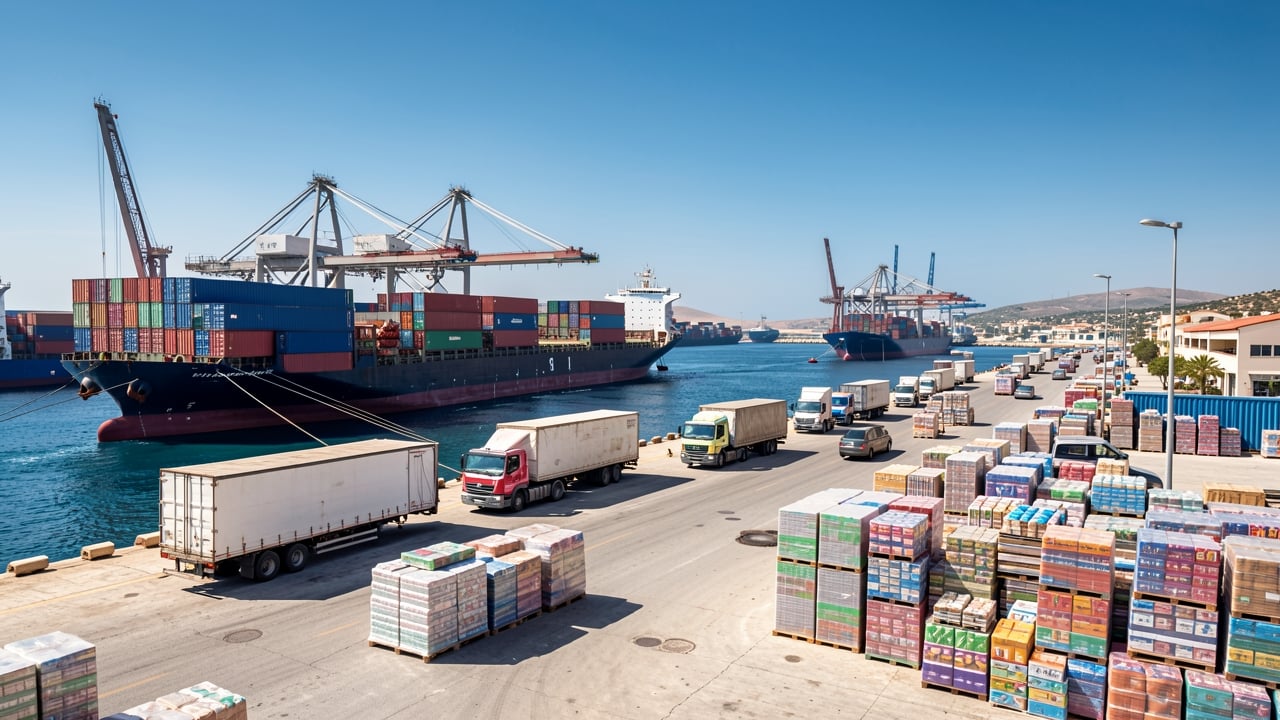
The upward trajectory across multiple retail categories translates into higher freight volumes for both inbound container shipments and domestic distribution. Notably:
- Increased imports of IT equipment and household goods will likely raise demand for refrigerated and standard container slots at Larnaca and Limassol ports.
- The surge in non‑store retail sales reinforces the need for efficient last‑mile logistics, prompting freight forwarders to expand parcel‑level handling capabilities.
- Higher fuel value turnover, despite limited volume growth, may affect bunker demand at the ports, influencing fuel supply contracts.
Outlook
Given the consistent month‑on‑month gains, shipping lines and logistics providers operating in the Eastern Mediterranean should anticipate continued pressure on capacity, especially for high‑turnover SKUs such as electronics and home furnishings. Strategic planning around slot allocations, warehousing space, and intermodal connectivity will be essential to capture the emerging opportunities.
Overall, the July 2026 retail performance reinforces Cyprus’s role as a dynamic hub for regional trade, with direct ramifications for maritime cargo flows and logistics services.