
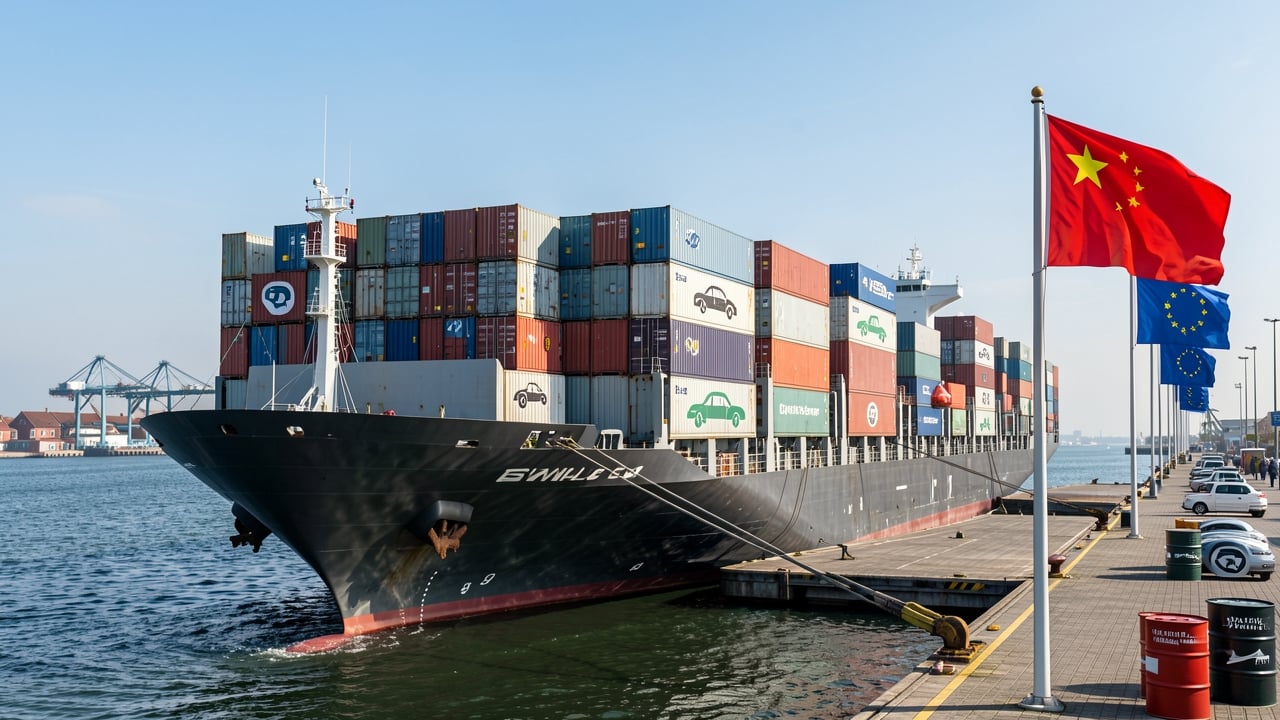
EU and China Reach Landmark Trade Agreement
European Commission Trade Commissioner Maroš Šefčovič announced that the EU and China have concluded a provisional accord aimed at curbing Chinese exports of hybrid and plug‑in hybrid vehicles to Europe. The agreement, sealed after a second round of trade and investment talks in Beijing with Chinese Commerce Minister Wang Wentao, marks the first time Beijing has voluntarily limited exports without a preceding trade dispute.
Key Provisions on Hybrid Vehicles
The deal targets a reduction of Chinese hybrid‑vehicle shipments to the EU by more than 50% over the next four years compared with a “business‑as‑usual” scenario. Šefčovič described this as a “critical first step” in normalising trade relations, noting that it will prevent the influx of “tens of millions” of additional cars into the European market.
- Export caps will be enforced through a mix of quota allocations and licensing mechanisms.
- Technical details and implementation timelines will be finalised once endorsed by EU heads of state.
- Both parties pledged swift execution once the green light is given.
Tariff Reductions for EU Exports
In parallel, the agreement lowers Chinese anti‑dumping duties on a suite of EU products, including automotive spare parts, olive oil and footwear. The affected trade value approaches €4 billion annually, translating into projected tariff savings of at least €225 million for EU exporters. The relief covers seven specific tariff lines and applies uniformly across all member states.
Facilitating Rare‑Earth and Permanent Magnet Licences
China also consented to accelerate export licences for rare‑earth elements and permanent magnets—materials essential for the EU’s clean‑energy and electric‑vehicle sectors. The fast‑track procedure will be complemented by advance notifications and greater transparency in export‑control list updates, reducing administrative delays for European importers.
Implications for Shipping and Logistics
For maritime operators and logistics providers, the pact reshapes cargo flows in several ways:
- Vehicle Shipping: With fewer hybrid cars destined for Europe, container volumes on routes such as Shanghai‑Antwerp may dip, prompting carriers to adjust capacity allocations.
- Rare‑Earth Cargoes: Streamlined licences are likely to increase the frequency of specialised shipments of rare‑earth concentrates and magnet components, boosting demand for temperature‑controlled and secure container services.
- Tariff‑Sensitive Goods: The duty cuts on olive oil, footwear and automotive parts will make these commodities more price‑competitive, potentially expanding containerised trade volumes on Mediterranean‑European corridors.
Outlook
While the agreement is still pending formal ratification by EU leaders, its framework signals a move toward more predictable and balanced trade between the two blocs. Shipping companies operating in the Mediterranean and the North Sea are advised to monitor forthcoming implementation guidelines, as they will influence cargo scheduling, vessel utilisation and freight rate dynamics in the coming years.