
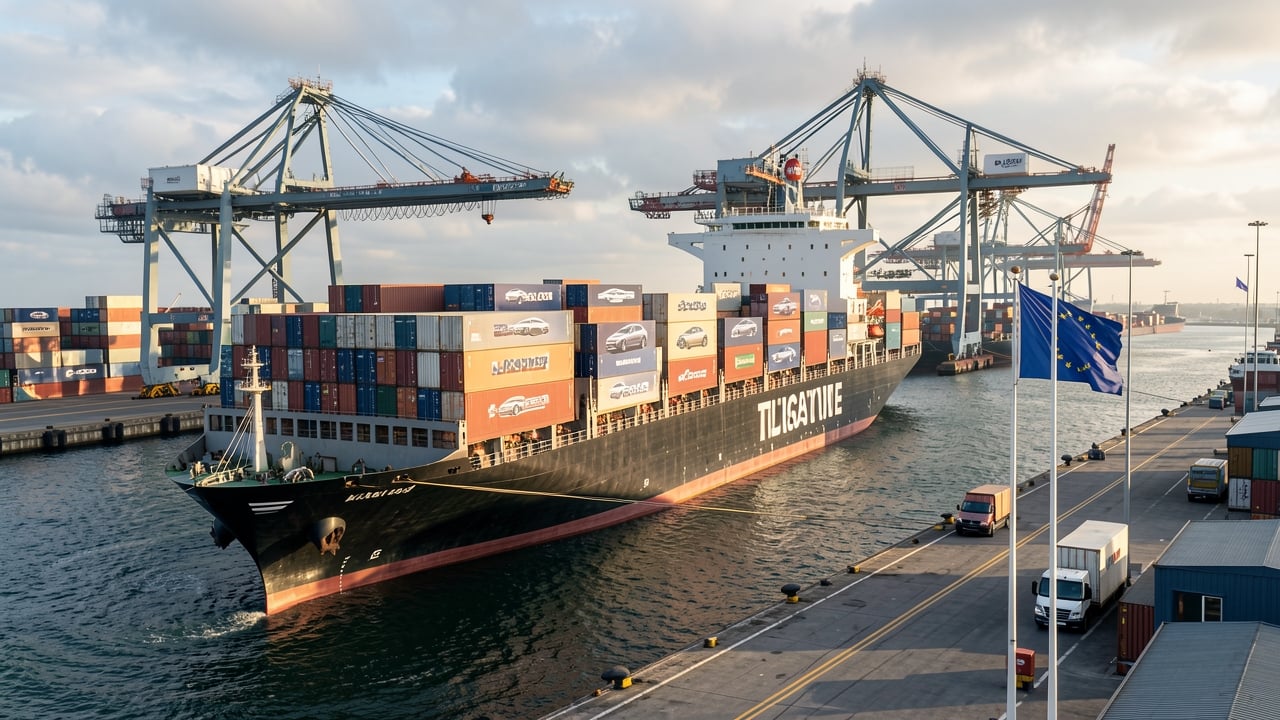
The European Commission is weighing the introduction of a safeguard ceiling on imports of Chinese‑manufactured hybrid vehicles. The move is part of a broader strategy to address the growing trade imbalance with China and to shield European automotive sectors from what Brussels sees as unfair market pressure.
Background and Rationale
Chinese hybrid cars now account for roughly one‑quarter of all hybrid sales in the EU, a sharp increase that has triggered concern among European manufacturers. While imports of fully electric vehicles from China have been curbed by high duties, hybrids have faced comparatively lighter tariffs, allowing a rapid market penetration.
Safeguard Measures Explained
Under EU trade law, safeguard measures permit temporary restrictions—such as import quotas or additional duties—when a sudden surge in imports threatens domestic industry. The Commission proposes a time‑limited import ceiling for Chinese hybrids, using a quota‑based system that would impose extra charges once the set limit is exceeded.
Implications for Shipping and Logistics
- Port Throughput: A quota could reduce the volume of automotive cargo arriving at European ports, impacting terminal operators that specialise in roll‑on/roll‑off (RoRo) and containerised car shipments.
- Freight Rates: A potential dip in demand for vehicle‑specific carriage may lead to short‑term adjustments in freight pricing, especially on routes linking Chinese manufacturing hubs to Mediterranean and North‑European gateways.
- Supply Chain Planning: Car manufacturers and logistics providers will need to re‑evaluate inventory strategies, possibly shifting to longer lead times or alternative sourcing to stay within the projected import limits.
Diplomatic Dialogue
EU Trade Commissioner Valdis Dombrovskis is scheduled to travel to Beijing later this week for talks with Chinese Trade Minister Wang Wentao. The outcome of these negotiations will shape the final design of the safeguard package. Brussels aims for a ceiling low enough to ease pressure on European markets but not so restrictive as to provoke retaliatory measures from China.
Wider Trade Context
The EU’s daily trade deficit with China exceeds €1 billion, prompting Brussels to accelerate the rollout of new trade‑policy tools before the end of the year. Industry leaders expect a series of measures—ranging from anti‑dumping duties to strategic stock‑piling—to be tabled in October.
Outlook for the Shipping Community
While the proposed ceiling directly targets automotive imports, its ripple effects will be felt across the maritime logistics chain. Port authorities, carrier alliances, and freight forwarders should monitor the negotiations closely and prepare contingency plans for potential shifts in cargo flows. The situation underscores the interconnected nature of trade policy and maritime operations, especially for Cyprus, a key transshipment hub linking Europe and the Eastern Mediterranean.