
Chinese Competition Challenges European Auto Industry
At the Paris Motor Show 2026, Oliver Blume, CEO of the Volkswagen Group, warned that the European automotive sector is under "enormous pressure" from rapidly expanding Chinese manufacturers. Speaking at the summit, Blume highlighted the urgent need for more adaptable regulations and targeted incentives to sustain local vehicle production.
Calls for Policy Flexibility
Volkswagen, together with Stellantis and Renault—collectively responsible for over 60% of Europe’s vehicle output—are lobbying for a regulatory framework that balances stringent emissions standards with economic viability. The three firms are under mounting pressure to deliver affordable electric vehicles (EVs) while keeping production costs in check.
Strategic Restructuring at Volkswagen
Blume outlined an unprecedented restructuring plan for Volkswagen, which includes significant job cuts and the potential closure of certain factories. The strategy aims to streamline operations and preserve the European industrial base, despite strong union resistance.
Impact on Trade and Logistics
The surge of Chinese automakers at the Paris show underscores a broader shift in global supply chains. Chinese brands are entering Europe in record numbers, seeking market share as growth stalls domestically. This influx raises concerns for European manufacturers about low‑cost imports eroding margins, particularly in the high‑volume, low‑margin mass‑market segment.
- Higher fuel prices and expanding EV line‑ups are driving European consumer demand toward greener, cost‑effective models.
- Chinese manufacturers are leveraging economies of scale to offer competitively priced vehicles, intensifying price competition.
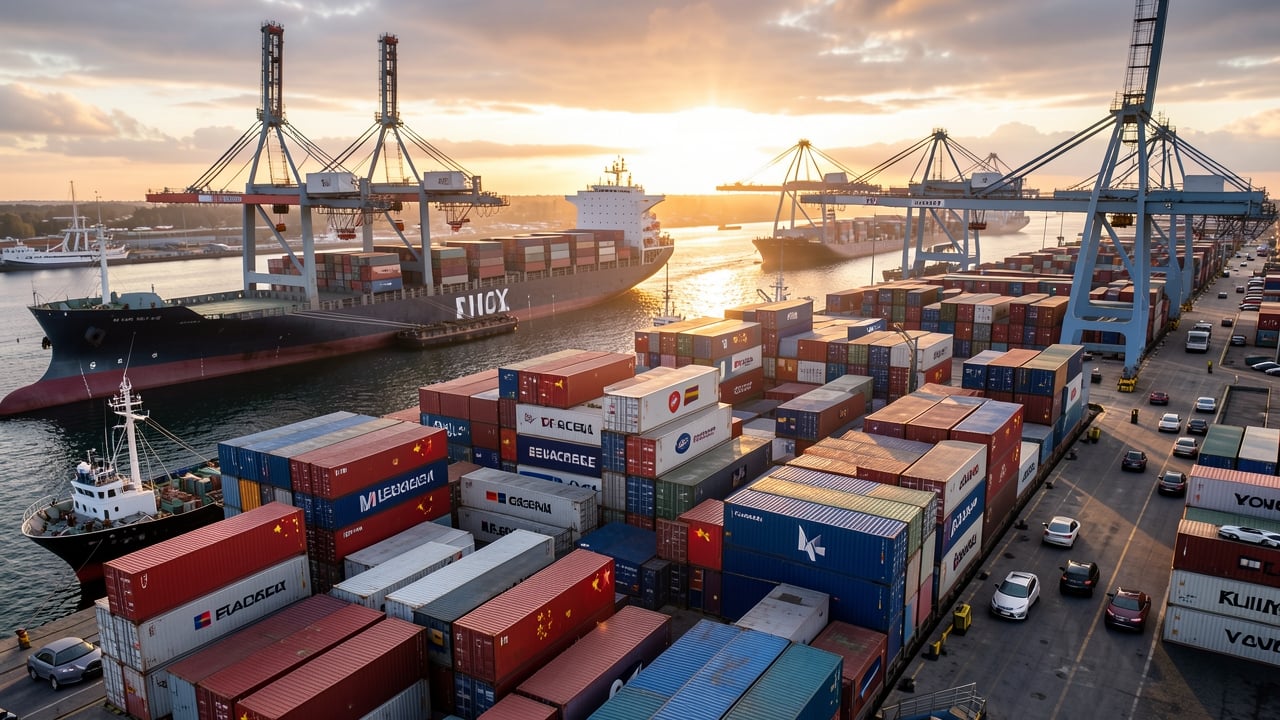
- European producers argue that without supportive policy measures, the continent risks losing its manufacturing foothold, which would reverberate through ports, freight forwarders, and logistics networks.
Looking Ahead
Blume reiterated Volkswagen’s appeal to policymakers: "We must safeguard Europe’s industrial base by providing flexible regulations and incentives for local production." The outcome of these discussions will likely shape not only the future of European car manufacturing but also the volume and composition of automotive cargo moving through Mediterranean and Northern European ports.
Stakeholders across the maritime and logistics sectors will be watching closely as the industry navigates this competitive crossroads, with implications for container traffic, inland transport, and the broader supply chain ecosystem.