
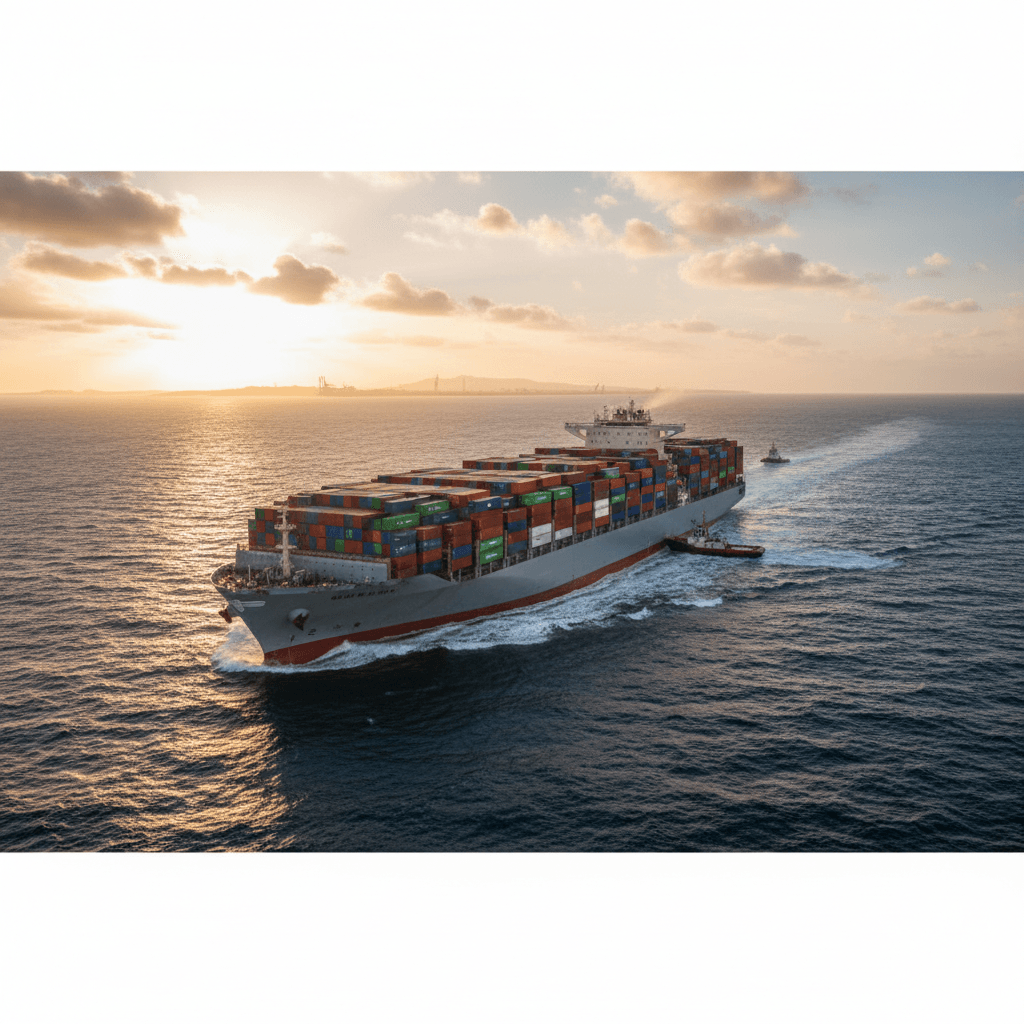
The final week of March 2026 has brought a series of high-stakes developments to the global maritime sector, ranging from escalating geopolitical tensions in the Middle East to a paradigm shift in how shipbuilding expertise is traded internationally.
Strait of Hormuz Under Pressure
As the shipping crisis in the Strait of Hormuz enters its fourth week, the situation remains mired in diplomatic uncertainty. Conflicting reports from Washington and Tehran have left the industry in a state of limbo, directly impacting vessel traffic. Movement through this vital chokepoint has slowed to a crawl, sparking secondary concerns regarding global bunker availability and fuel security for the international fleet.
Ukraine Targets Russian Energy Infrastructure
In the Black Sea and Baltic regions, Ukraine has intensified its strategy against Russian oil exports. Following a series of drone strikes on the ports of Primorsk and Ust-Luga, recent attacks have targeted major refineries in the Kirishi district. Industry analysts suggest that nearly 40% of Russia’s export capacity has been compromised, marking what many consider the most significant oil supply disruption in modern Russian history. This volatility was further highlighted by the targeting of a Russian-linked Suezmax vessel off the coast of Istanbul.
Strategic Moves in Vessel Acquisition
On the commercial front, Sinokor, backed by financial cooperation with Mediterranean Shipping Co (MSC), is pivoting its aggressive acquisition strategy toward the Suezmax segment. Reports indicate the South Korean owner has secured three 10-year-old Korean-built units for approximately $82 million each. This move follows Sinokor’s significant expansion in the VLCC market and signals a broader consolidation of secondhand tanker tonnage.
Developing National Maritime Resilience
In Europe, the German Shipowners’ Association (VDR) is advocating for a novel "civilian sea service" to bolster national trade security. The proposal suggests creating a maritime reserve of trained seafarers who could be mobilized during crises to ensure the continuity of supply chains. VDR leadership emphasizes that such a measure is essential for national resilience, ensuring that merchant vessels remain crewed even during periods of high geopolitical risk.
A New Model for Shipbuilding Knowledge
Finally, HD Hyundai is redefining the traditional shipbuilding business model. Rather than focusing solely on vessel construction, the South Korean giant is moving to export "digital engineering and manufacturing platforms." By packaging decades of shipbuilding expertise into a commercial product, the company aims to assist other nations in establishing or reviving their own domestic shipyard sectors, marking a significant shift toward the commercialization of maritime intellectual property.