
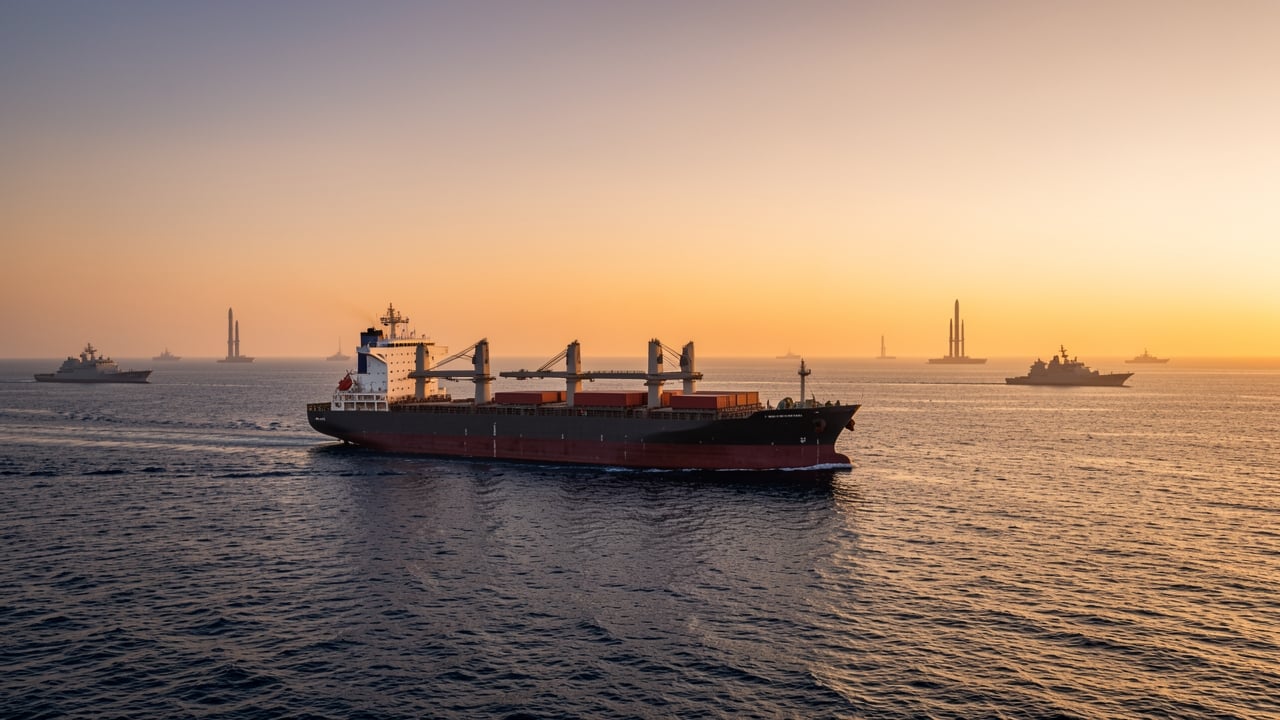
Escalating Missile Threats in Key Shipping Lanes
During the past week, the strategic chokepoints of the Strait of Hormuz and the Black Sea have again been the focus of hostile missile activity. Both regions, already regarded as high‑risk for commercial vessels, saw renewed attacks that underscore the growing danger for tanker operators and dry‑bulk carriers alike. The incidents have prompted shipping firms to reassess routing, insurance premiums, and crew safety protocols.
Potential US Policy Shift on Shadow Tankers
At a recent energy conference in Saudi Arabia, the United States Energy Secretary hinted that the current administration may consider easing sanctions on a subset of “shadow” tankers – vessels that operate under opaque ownership structures to evade sanctions. If enacted, this policy could inject additional capacity into an already tight market, potentially tempering the surge in freight rates that has persisted since early 2024. Tanker owners are therefore monitoring the proposal closely, weighing the benefits of a larger pool of vessels against the risk of regulatory volatility.
Strategic M&A Activity Reshapes the Fleet Landscape
Two high‑profile transactions marked the week’s corporate news:
- India’s Aegis Logistics agreed to acquire a 89.8% stake in Dubai‑based Tristar for $809 million, extending its reach into global energy logistics and adding a mixed fleet of tankers and dry‑bulk carriers.
- A.P. Møller Capital announced the acquisition of Singapore‑based terminal operator Portek International from Mitsui & Co., consolidating its position in Asian port services.
These moves signal a continued appetite for vertical integration and geographic diversification among major players, while also highlighting the value placed on assets that can support resilient supply chains amid geopolitical turbulence.
Technology Frustrations Among Maritime Executives
A recent survey of maritime technology leaders revealed growing dissatisfaction with software solutions that duplicate data entry and create workflow bottlenecks. KeelX CEO Aristos Philis summed up the sentiment: “Ask yourself what work the technology actually removes.” The findings suggest that the industry is seeking leaner, more interoperable digital platforms that deliver genuine efficiency gains rather than administrative overhead.
Thought Leadership: The Undersea War
In a featured interview, Elisabeth Braw discussed her new book The Undersea War, which explores how merchant vessels and even anchors can become weapons against critical subsea infrastructure. The conversation highlighted the strategic importance of protecting undersea cables and pipelines—assets that underpin global trade and communications.
Expansion into the Cruise Sector
Splas h announced the launch of Splash Cruise, extending its independent maritime journalism into the rapidly growing cruise market. The new platform aims to provide in‑depth analysis of cruise‑line financials, regulatory developments, and emerging market trends, catering to investors and industry stakeholders alike.
Fleet Ageing Amid Record Earnings
One of the most read articles this week examined the paradox of an ageing global merchant fleet operating in a record‑earning environment. The analysis, now featured in the weekly Splash Wrap podcast, underscores the challenges of maintaining older vessels while capitalising on historically high freight rates.
Overall, the confluence of security threats, potential regulatory shifts, and strategic acquisitions is shaping a complex operating environment for maritime operators. Stakeholders are urged to stay vigilant, adopt adaptable strategies, and leverage technology that truly streamlines operations.