
Cyprus’ hall‑halloumi industry generates roughly €350 million in export revenue each year, with the United Kingdom currently absorbing about 45 % of the product. In a recent interview with the Cyprus Press and Information Office (CYPRESS‑PIO), Michalis Koulouris, Executive Secretary of the Cyprus Dairy Industry Association, highlighted a shifting export landscape that now includes the United States as a newly opened market.
Current Export Performance
According to the Statistical Service of Cyprus, halloumi shipments for the first half of 2026 amounted to €201.9 million – representing 12.8 % of total Cypriot exports. This marks a modest rise from €199.6 million in the same period last year, when halloumi accounted for 11.03 % of overall export earnings.
Key Markets and Logistics
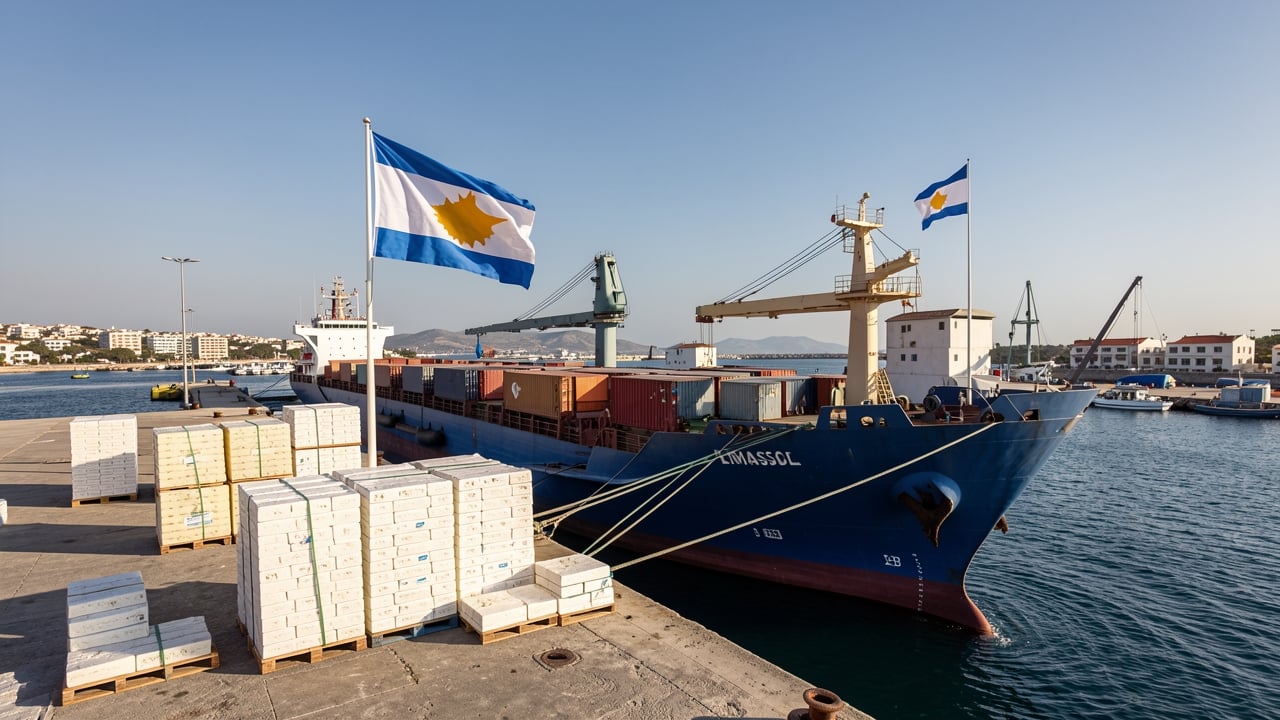
Beyond the UK, Sweden, Greece and other European nations remain significant destinations. The entry of the United States into the export portfolio is expected to reshape shipping routes, with increased container traffic through the Port of Limassol and Larnaca. Shipping lines are already assessing the capacity required to accommodate the anticipated surge, especially given that 80‑85 % of Cyprus‑produced halloumi is destined for foreign markets.
Quota Constraints – The Main Bottleneck
Koulouris stressed that the primary obstacle to scaling production lies in the existing milk‑quota system. Halloumi is derived from surplus milk that is not earmarked for pasteurisation, yoghurt or other cheeses. “There is no additional milk available to boost halloumi output,” he explained. “Our ability to increase export volumes hinges on either a relaxation of the quota or a rise in overall milk production.”
Government Support and Future Outlook
The Ministry of Agriculture has introduced incentives aimed at encouraging dairy farms to expand milk yields, a move that could indirectly benefit halloumi manufacturers. Koulouris acknowledged these measures, noting that they align with the industry’s need for a more flexible quota framework.
Implications for Maritime Stakeholders
- Port Capacity: Ports on the island must prepare for higher container volumes, potentially requiring additional berthing slots and cold‑storage facilities.
- Freight Forwarding: Forwarders will need to coordinate tighter schedules to meet US customs requirements and maintain product freshness.
- Supply‑Chain Resilience: Diversifying export destinations reduces reliance on a single market, enhancing overall trade stability for Cyprus.
In summary, while the opening of the US market offers a promising avenue for growth, the sector’s expansion will depend on regulatory adjustments to the milk‑quota system and continued collaboration between producers, the Ministry of Agriculture, and maritime logistics partners.