
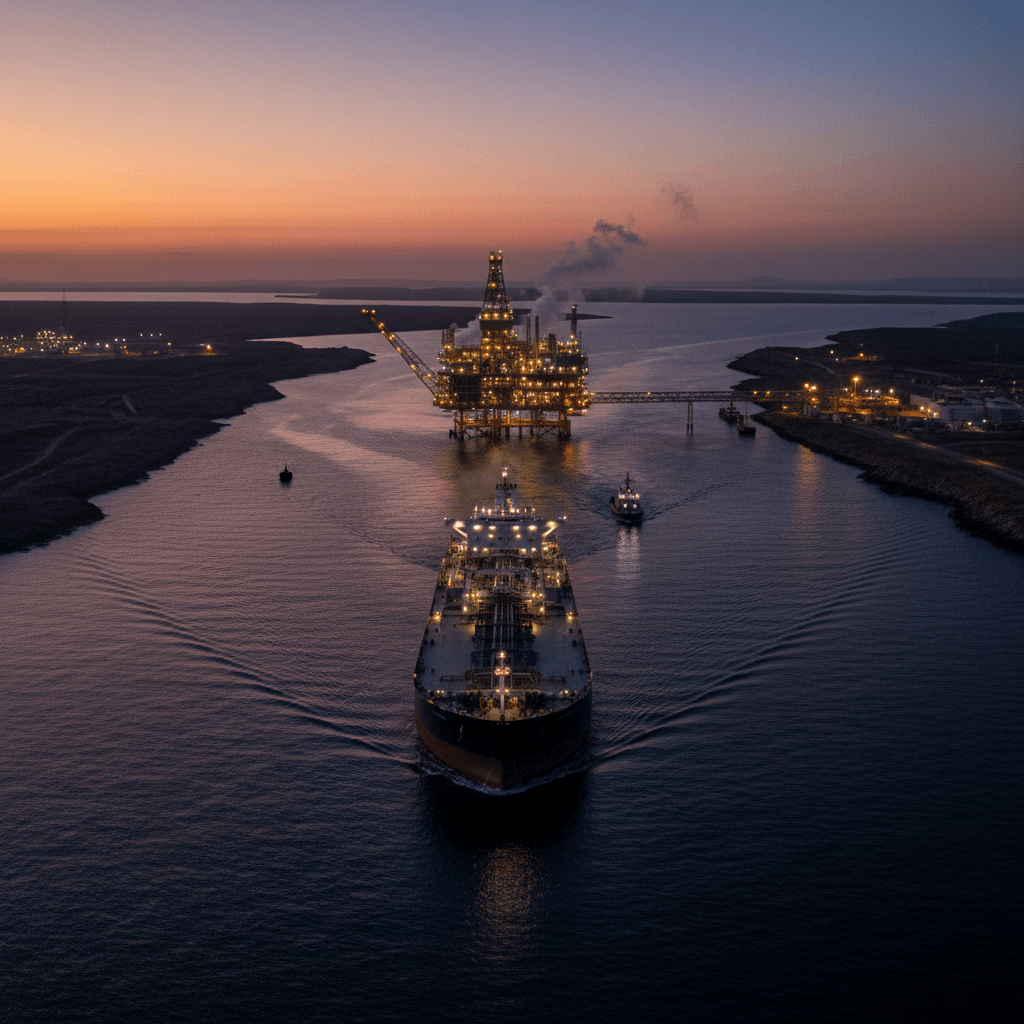
The geopolitical landscape of the Middle East is undergoing a fundamental transformation, with the Strait of Hormuz evolving from a traditional maritime chokepoint into a "controlled corridor." Recent analysis suggests that the current disruptions are not merely temporary wartime hurdles but represent a structural shift in how global energy trade is governed.
The Rise of Selective Access
According to research from shipbroker Xclusiv, the Strait is increasingly being reshaped into a zone where access is conditional and highly political. Iran is reportedly implementing "approved passage" systems, signaling a move from active disruption to a form of governance that challenges the long-standing principles of free navigation. This "selective reopening" approach favors nations deemed non-hostile, such as China, India, and Pakistan, while Western-linked cargoes remain largely absent from the waterway.
Market Fragmentation and Geopolitical Levers
The strategic control of the Strait is being utilized as both a diplomatic and economic lever. This has led to a notable fragmentation of global trade routes. Highlights of the current situation include:
- Geopolitical Sorting: Vessels linked to Asian markets dominate remaining traffic, while Western operators face exclusion.
- Diplomatic Exceptions: Even within Europe, certain nations like Spain have emerged as potential exceptions, reflecting how geopolitical positioning now dictates commercial shipping access.
- Adaptive Strategies: Industry players are resorting to reflagging and diplomatic backchannels to maintain operations, albeit at significantly higher costs.
Tanker Rates Reach Historic Peaks
The impact on the tanker market has been explosive, characterized by a two-phase rally. The initial phase was driven by market fundamentals, but the subsequent geopolitical shock—following the effective removal of tonnage through stranding or rerouting—has sent rates to record-breaking levels.
From the start of the year through late March, the following surges were recorded:
- VLCCs: Earnings skyrocketed by 430%, moving from $39,500 to over $209,000 per day, with peaks hitting $318,700 earlier in the month.
- Suezmax: Rates saw an aggressive climb of approximately 256%, reaching roughly $269,700 per day.
- Aframax: This segment gained 338%, with daily rates climbing to $216,900, marking fresh historical highs.
As the Strait of Hormuz transitions into a managed gateway, the maritime industry must prepare for a future where passage is no longer guaranteed by international law alone, but by the intricacies of geopolitical alignment.