
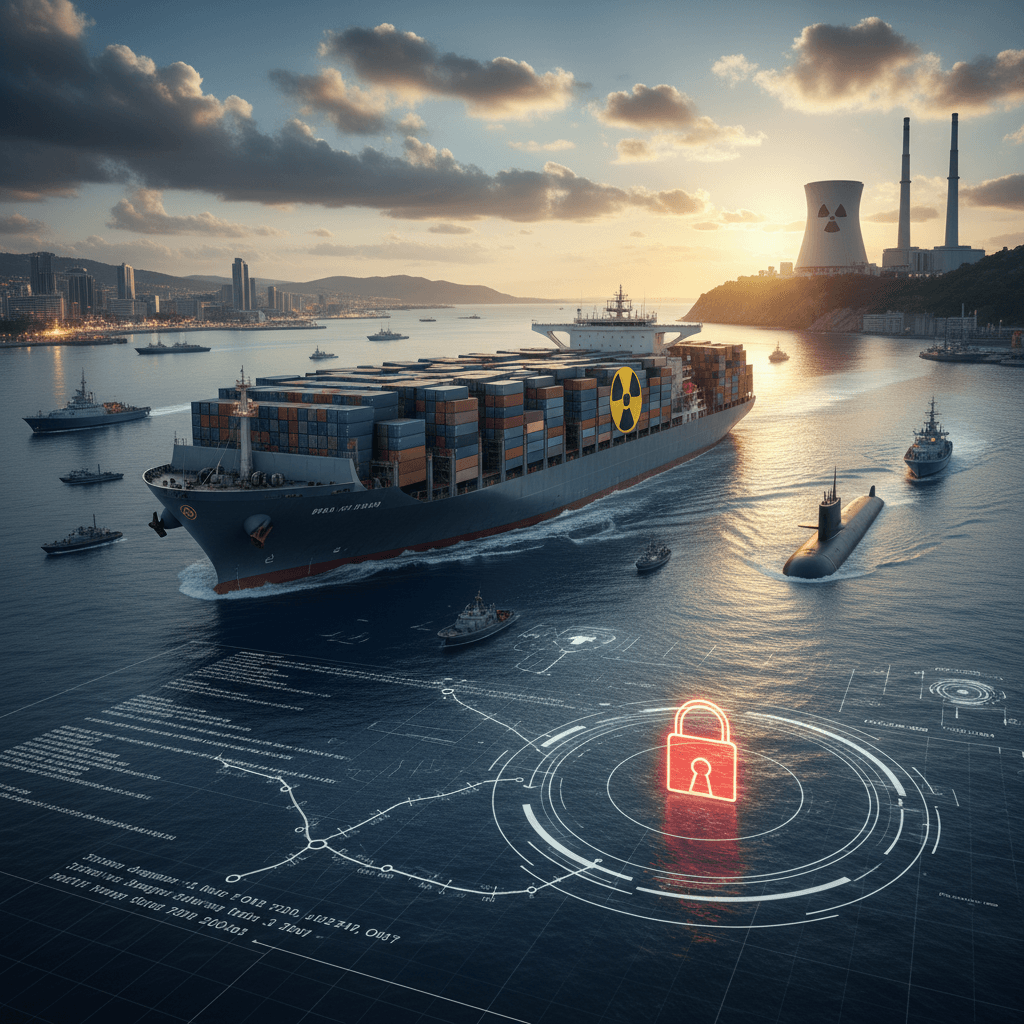
The global shipping landscape is facing a period of intense volatility, driven by geopolitical tensions in the Middle East, ongoing infrastructure recovery in the United States, and a significant push toward next-generation propulsion technologies.
Geopolitical Shifts in the Strait of Hormuz
In a move that has sent ripples through international trade routes, the Iranian parliament has approved a formal toll and access regime for the Strait of Hormuz. This "pay-to-pass" corridor introduces new logistical and financial hurdles for vessel operators navigating one of the world's most critical maritime chokepoints. Concurrently, the United Nations has raised alarms regarding the unprecedented risks faced by seafarers in the region, noting that the current crisis is unlike anything seen in the post-WWII era.
Infrastructure and Legal Developments: Baltimore and the Baltic
Legal proceedings following the Francis Scott Key Bridge collapse in Baltimore have taken a significant step forward. The insurer responsible for a $350 million payout to the State of Maryland has reached a settlement of an equivalent amount with the owner and operator of the container ship Dali. This agreement arrives just ahead of a major civil trial scheduled for early June.
Further north, satellite imagery has revealed the extent of the impact on Russian energy exports. Recent strikes have reportedly caused severe damage to key Baltic ports, crippling export capacity and further tightening the global energy logistics chain.
Innovation: Scorpio Tankers Invests in Nuclear Power
While current operations face challenges, industry leaders are looking toward a decarbonized future. Scorpio Tankers has announced a strategic collaboration with US-based Ampera to develop micronuclear energy systems. Key highlights of this partnership include:
- A $10 million initial investment in reactor development.
- Exploration of zero-carbon power for commercial vessels.
- Potential applications for offshore assets and port infrastructure.
The Human Element
The cumulative stress of global crises—ranging from the pandemic to the prolonged Red Sea disruptions—continues to weigh heavily on crew retention and welfare. Industry experts suggest that the "brutal" nature of the 2020s for seafarers may pose long-term challenges for labor recruitment in the maritime sector. As the industry navigates these turbulent waters, the focus remains on ensuring the safety of those at sea while embracing the technological shifts required for a sustainable future.