
Overview of 2026 Operational Challenges
During the 2026 peak season, the container shipping industry faced a dual shock: a steep decline in schedule reliability and a sharp increase in port congestion, especially at key Asian hubs. Drewry’s Container Capacity Insight highlighted that on‑time arrivals on the Asia‑Europe corridor dropped from 51 % in May to just 31 % in September.
On‑Time Performance Across Carriers
Even the Gemini alliance, traditionally a benchmark for punctuality, managed only a 34 % on‑time rate in September. Across all carriers, the proportion of voyages that both sailed and arrived as scheduled fell to roughly 29 % when blank sailings are taken into account.
Carrier‑Specific Variations
- Schedule reliability ranged between 19 % and 38 % by carrier.
- Blank‑sailing incidence varied from 0 % to 23 %.
These figures underline that performance gaps are not uniform; some operators still deliver relatively better results.
Impact of Port Congestion
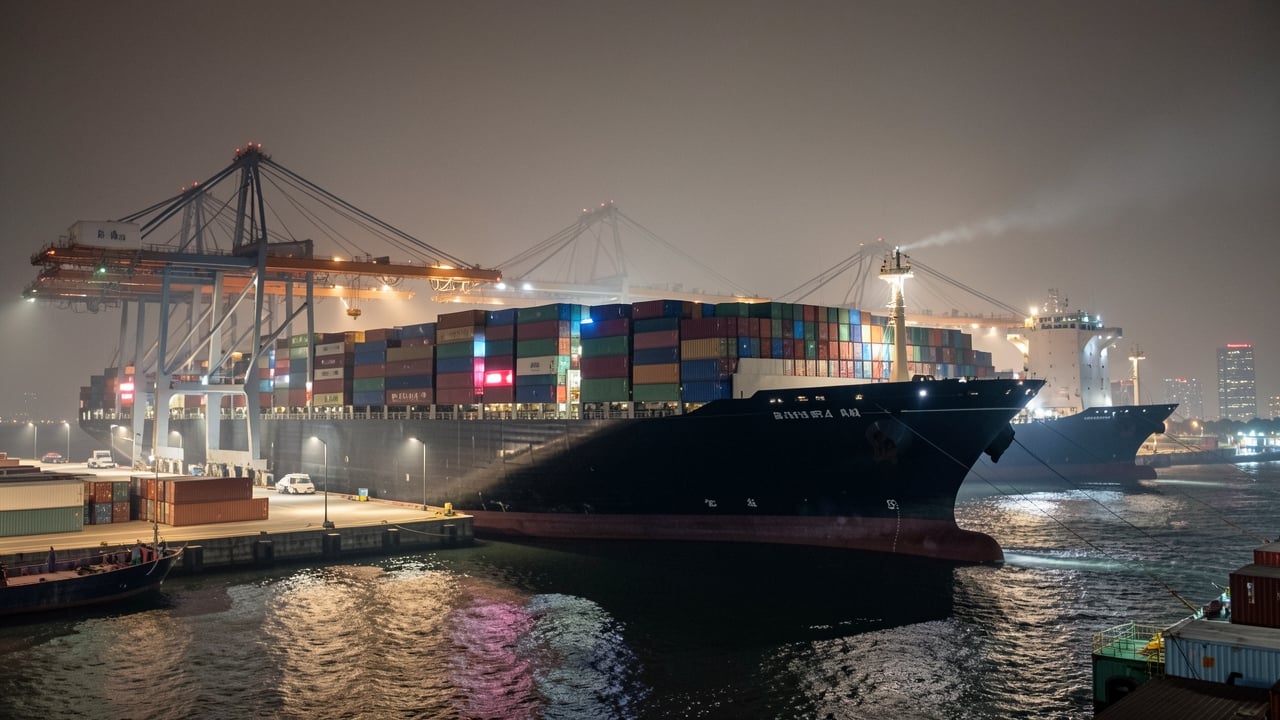
Port gridlock, particularly in Asia, emerged as a primary driver of missed windows. At Shanghai, berth waiting times rose from 1.6 to 3.9 days, causing schedule reliability to plunge from 55 % to just 10 %.
Conversely, Rotterdam’s berth congestion showed little correlation with Asia‑Europe reliability, suggesting that bottlenecks at major Asian terminals have a disproportionate ripple effect on global schedules.
Strategic Takeaways for Shippers and Forwarders
Given the volatility, supply‑chain participants should adopt a three‑pronged approach:
- Continuous Monitoring: Track carrier performance metrics in real time and benchmark against peers.
- Provider Flexibility: Where possible, shift volume to carriers that consistently exceed the industry average.
- Buffer Time Integration: Build additional lead‑time into plans, especially for shipments destined for or transiting congested Asian ports.
During peak periods, extending the buffer beyond the usual safety margin may be essential to safeguard delivery commitments.
Looking Ahead
While carriers cite port congestion as an exculpatory factor, the data confirms that infrastructure constraints are a critical lever for improving reliability. Stakeholders should therefore engage proactively with port authorities and invest in collaborative solutions to alleviate berth bottlenecks.
By internalising these lessons, the industry can enhance resilience, protect margins, and restore confidence in ocean freight schedules for the next peak season.