
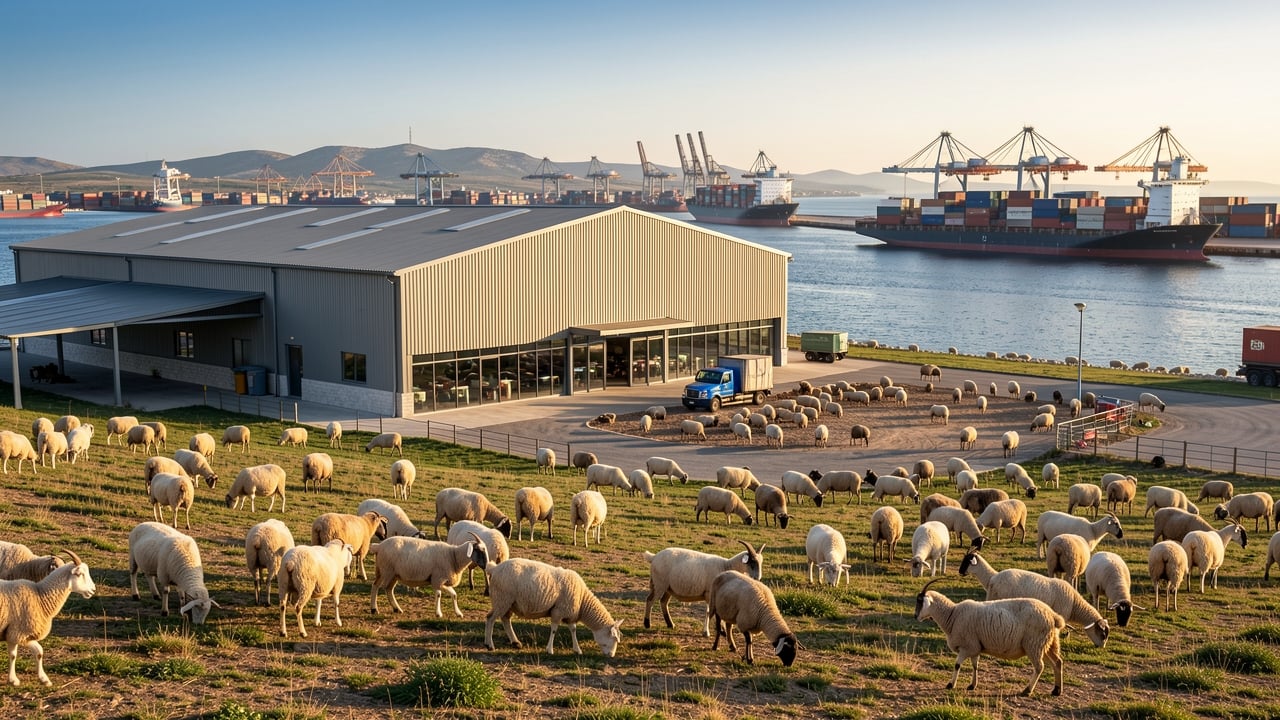
Cyprus is poised to strengthen its agri‑food export sector following the submission of the Malas Report to President Christodoulides. The study, led by Stavros Malas, head of the Special Scientific Committee for the restructuring of livestock farming, prioritises heightened productivity of goat‑sheep units and the creation of new fattening facilities away from existing clusters.
Report Presentation and Government Reception
On 28 August 2026, Mr Malas delivered the report to the President, noting that the majority of the committee’s recommendations have been well‑received by the administration. The document is grounded on two principal pillars: (1) state‑driven remediation of farms hit by the recent foot‑and‑mouth disease outbreak, and (2) a balanced development of both dairy and meat production to meet European market requirements.
Targeted Remediation of Affected Units
The committee identified 84 out of 121 affected units located in dense livestock zones where farms are situated side‑by‑side, amplifying the risk of disease transmission. Mr Malas stresses that these areas require immediate de‑congestion and strict bio‑security measures before any re‑activation can be considered. Not all operators will return to activity; decisions will be based on viability assessments and compliance with new health standards.
Strategic Expansion of Fattening Capacity
To avoid future concentration‑related vulnerabilities, the report advocates for the establishment of new fattening units in peripheral regions, reducing the pressure on traditional livestock corridors. This spatial diversification aligns with Cyprus’ broader logistics strategy, facilitating smoother integration with port infrastructure and enabling more efficient export flows.
Balancing Dairy and Meat Production for Export Markets
Malas underscores the need for a harmonious growth of dairy and meat sectors. Dairy production, particularly Halloumi, remains the backbone of the island’s agri‑food identity. However, producers must adapt to evolving European standards concerning bio‑security, animal welfare, and environmental sustainability. Anticipated regulatory shifts could tighten market access for Halloumi, prompting stakeholders to invest in compliant processing and certification.
On the meat side, the report calls for a revitalised supply chain that enhances the quality and traceability of goat‑sheep meat. By improving herd productivity and establishing modern processing hubs near ports such as Limassol and Larnaca, Cyprus can reduce lead times and bolster its competitiveness in the Mediterranean meat market.
Implications for Maritime Trade and Logistics
The recommendations carry direct repercussions for the shipping and logistics sector. Higher livestock productivity and the creation of new fattening facilities will generate increased cargo volumes—both chilled meat containers and dairy shipments—requiring coordinated port handling, cold‑chain logistics, and streamlined customs procedures. Moreover, de‑congested livestock zones will ease road transport pressures, allowing smoother hinterland‑to‑port connections.
Shipping agencies, freight forwarders, and port operators are encouraged to collaborate with agricultural ministries to align export schedules, invest in refrigerated container fleets, and develop dedicated terminals for agri‑food products. Such synergies will not only support Cyprus’ food security goals but also reinforce its reputation as a reliable node in the Mediterranean supply chain.
Next Steps
The government is expected to issue implementation guidelines within the next quarter, prioritising funding for bio‑security upgrades, incentivising relocation of fattening units, and establishing a joint task‑force with logistics partners to ensure the seamless movement of livestock‑derived goods to global markets.