
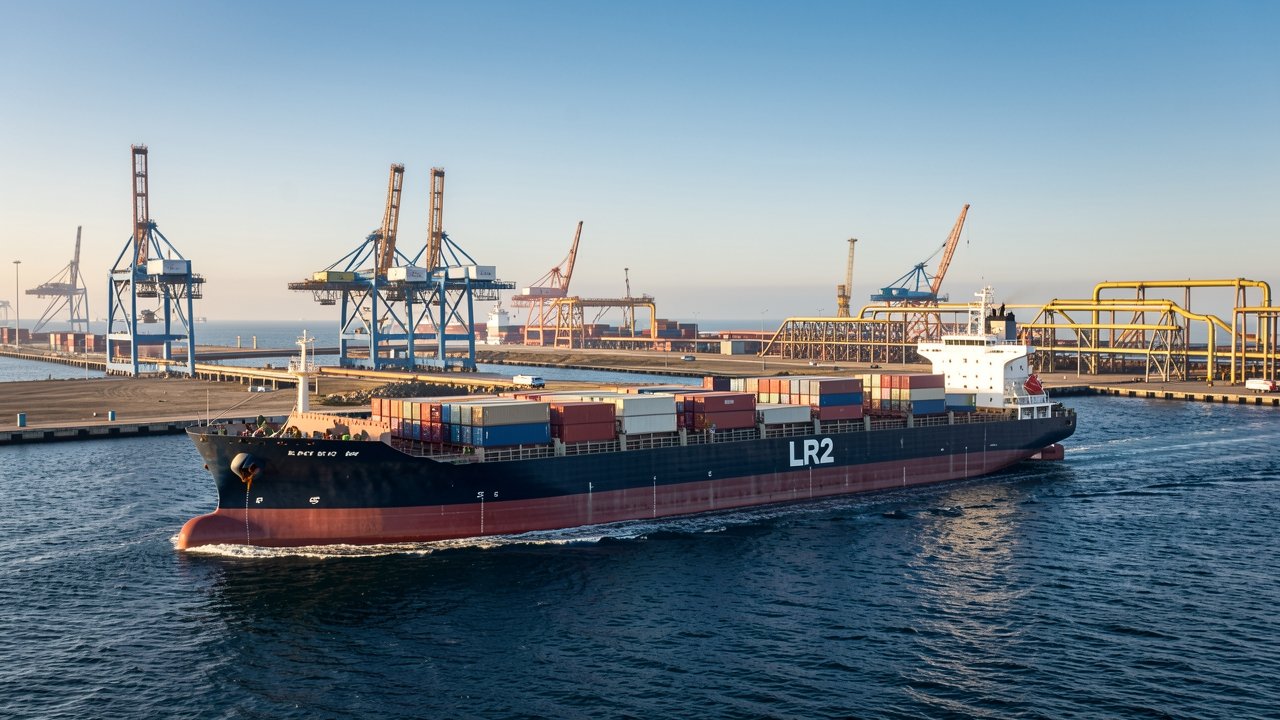
Overview of LR2 Market Shift
Data from the Signal Ocean platform indicate a pronounced reallocation of Light‑Refrigerated (LR2) product tankers toward “dirty” trades during 2025‑2026. On 30 October 2026, 74.2 % of the LR2 fleet was engaged in dirty employment, a steep rise from the 53.0 % recorded at the start of 2025.
Fleet Size vs. Clean Capacity
Although the total number of LR2 vessels increased from 483 to 542 – a 12 % growth – the tonnage employed in clean petroleum‑product trades fell markedly. Dirty‑employed vessels grew from 256 to 402 (a 57 % jump), while clean‑employed tonnage dropped from 227 to 140 vessels, a 38 % decline. The result is a larger fleet delivering fewer ships to environmentally‑friendly cargo routes.
Key Milestones in Employment Trends
- Early 2025: Employment was relatively balanced; clean‑trade vessels outnumbered dirty ones between July and October, with the dirty share briefly dipping to 47.1 % on 22 August.
- Jan‑Apr 2026: The most rapid transition occurred, with dirty‑employed LR2s rising by 82 vessels and clean employment falling by 60, pushing the dirty share from 55.3 % to 68.9 %.
- July‑Oct 2026: The dirty proportion stabilized above 70 %, indicating a persistent shift rather than a short‑term market anomaly.
Deployment Drivers: Relet and Spot Markets
Within dirty trades, relet contracts have been the primary catalyst. Relet‑type employment surged from 43 to 125 vessels, nearly tripling its share. Spot market allocations also rose, adding 46 vessels, while programme contracts contributed an additional 32.
Conversely, the clean segment suffered its biggest loss in spot employment, where vessel counts fell from 113 to 64. This suggests that a significant portion of the shift is being mediated through longer‑term relet agreements rather than purely opportunistic spot deals.
Implications for the Industry
- Higher dirty employment may pressure regulatory bodies to tighten emissions oversight for product tankers.
- Ship owners could reassess fleet composition, favoring vessels suited for dirty cargoes to capture higher earnings.
- Charterers in clean trades may face tighter vessel availability and potentially higher charter rates.
Outlook
If the current trajectory continues, the LR2 segment could see a further erosion of clean‑trade capacity, despite overall fleet growth. Stakeholders are advised to monitor employment patterns closely, especially as IMO emissions regulations evolve and market participants adapt their chartering strategies.