
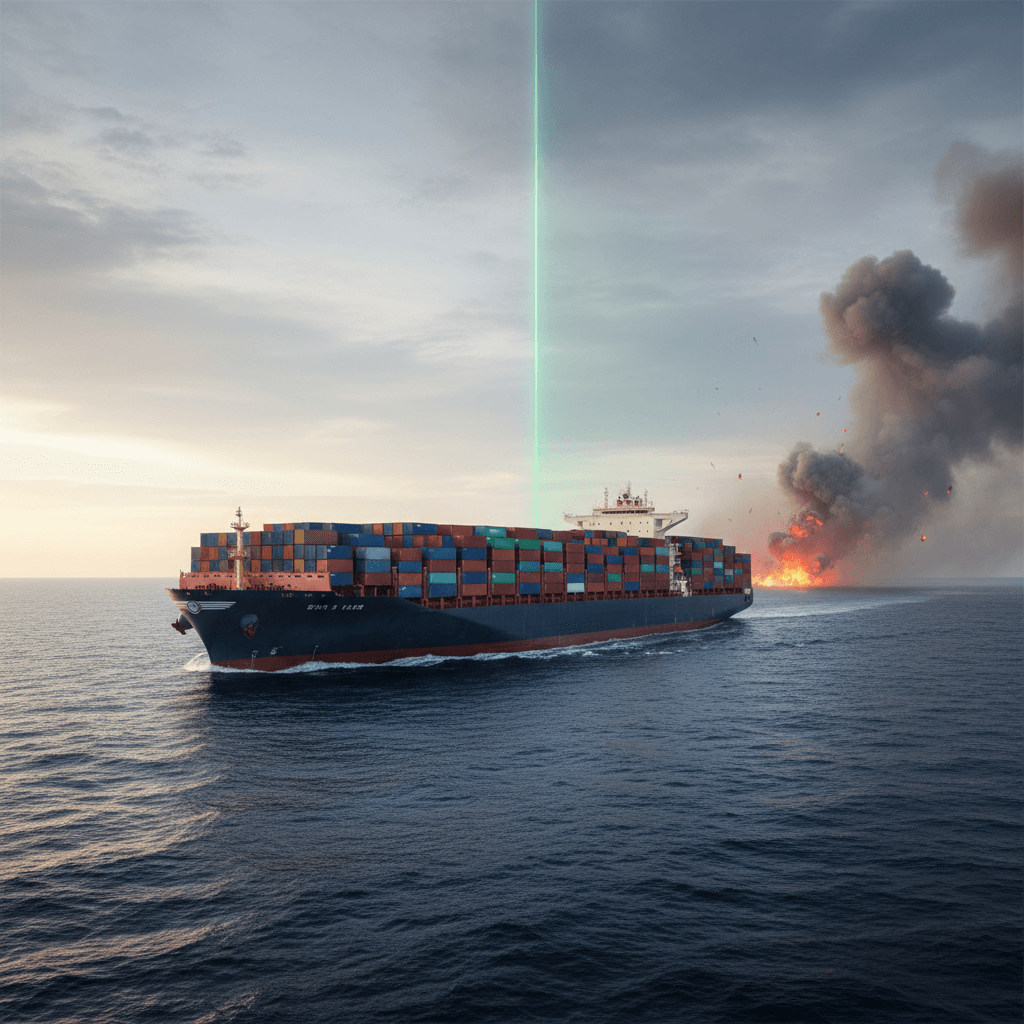
In the modern maritime landscape, shipowners and operators are under immense pressure to account for every kilogram of carbon dioxide emitted. As deadlines for EU ETS compliance loom, the industry finds itself locked in a battle of decimals, reconciling minute differences in fuel consumption to satisfy regulatory bodies and verifiers. However, a glaring irony is emerging: while shipping professionals agonize over 0.1 tonnes of CO2, geopolitical conflicts are releasing millions of tonnes of unregulated emissions into the atmosphere.
The Burden of Compliance
The current regulatory framework—which includes EU ETS, THETIS reporting, and MOHA alignment—is a robust but administrative labyrinth. Shipowners are investing heavily in energy-saving technologies to shave off small percentages of their carbon footprint. These efforts include:
- Installation of high-efficiency LED lighting systems.
- Advanced hull coatings to reduce drag.
- Main engine optimization and energy-saving devices.
- Detailed voyage planning to maintain favorable CII ratings.
Despite these efforts, a single week of waiting at an anchorage or a minor cargo delay can negate months of technical improvements. The industry is operating on razor-thin margins of environmental efficiency, yet the global stage tells a different story.
The Environmental Cost of Conflict
While the merchant fleet focuses on technical optimization, the literal burning of ships in high-risk zones like the Red Sea and the Strait of Hormuz represents an environmental catastrophe. When a vessel is struck, the resulting uncontrolled fire releases emissions in a matter of hours that can outweigh an entire year’s worth of fuel savings across a fleet.
The scale of the issue is staggering:
- Over 100 merchant vessels have been impacted by recent global conflicts.
- Strikes on fuel depots in the Middle East have resulted in the loss of millions of barrels of oil, releasing estimated millions of tonnes of CO2.
- Conflict-related emissions in Ukraine are estimated at 230 million tonnes of CO2 equivalent—surpassing the annual output of many European nations.
A Widening Imbalance
Current climate frameworks largely ignore military activity and conflict-related emissions, which are estimated to contribute approximately 5.5% of total global emissions. This creates a striking imbalance. The maritime industry is heading toward a net-zero future under IMO guidance, yet the massive carbon spikes caused by geopolitical instability remain outside the scope of carbon taxation or accountability.
As the industry moves forward with further IMO decarbonization discussions later this year, it is vital to recognize that shipping does not operate in a vacuum. While the industry remains committed to its green transition, the disproportionate impact of conflict-driven emissions remains a significant, unaddressed challenge for global climate goals.