
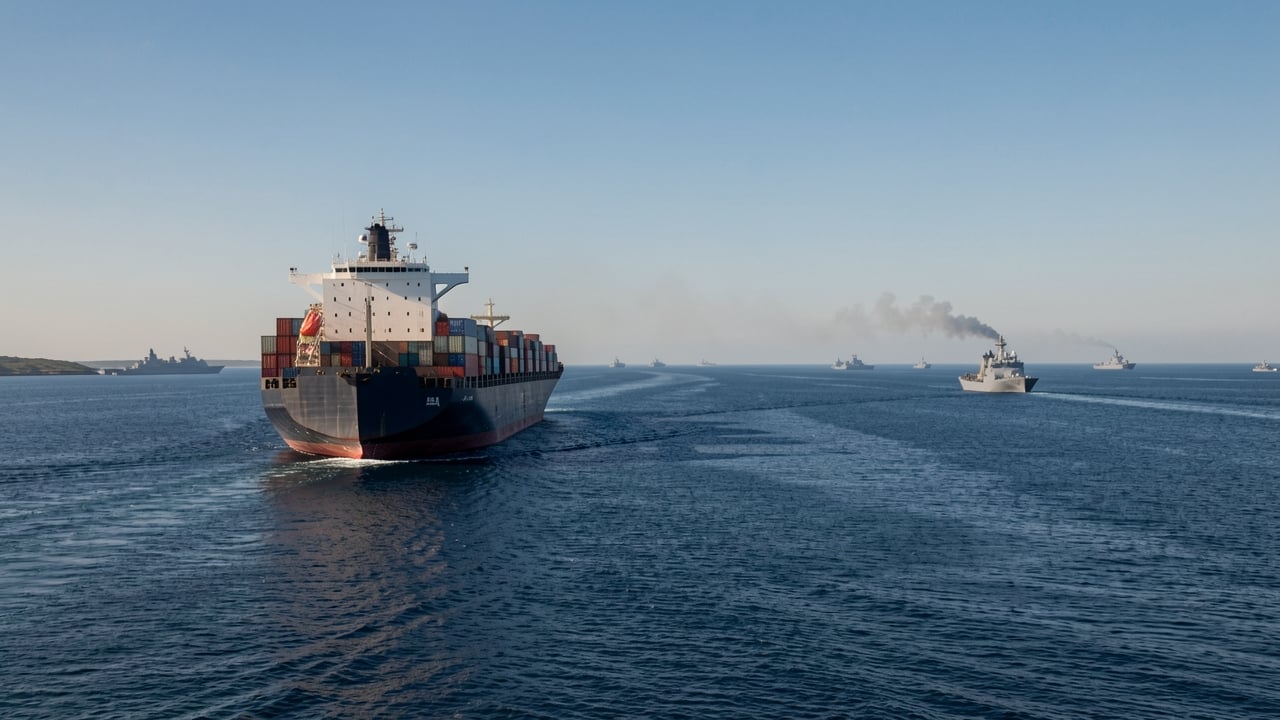
Four Hot‑Spot Regions Pose Simultaneous Risks
For the first time in recent memory, commercial shipping is contending with active threats in four separate zones: the Strait of Hormuz, the Red Sea, the waters off Somalia, and the Black Sea. Each theatre involves conflicts unrelated to the shipping sector, yet vessels and crews find themselves caught in the cross‑fire.
Scale of the Current Crisis
According to Damien Chevalier, Director of the Maritime Safety Division at the International Maritime Organization (IMO), the combined impact is unprecedented. In the early days of the Hormuz escalation, roughly 2,000 vessels and 20,000 seafarers were directly affected. Simultaneously, Houthi missile and drone strikes continue to menace ships transiting the Red Sea, while a resurgence of piracy off Somalia has seen a spike in hijackings of bulk carriers.
Why Piracy Is Resurfacing Near Somalia
- Naval resources are heavily deployed to counter threats in Hormuz and the Red Sea, creating a security vacuum.
- Pirates are targeting smaller, less protected bulk carriers that are easier to seize.
- Somalia is drafting new anti‑piracy legislation aimed at closing prosecution gaps for captured pirates.
Recent maritime law‑enforcement meetings have placed counter‑piracy high on the agenda, reflecting the sharp uptick in incidents.
Escalating Danger in the Black Sea
Although unrelated to the Middle‑East crises, the Black Sea has become a hotspot for drone‑borne attacks on oil tankers and grain vessels. Verifying exact figures is challenging due to disinformation, but the trend is clear: attacks have risen, and crew casualties are mounting. Ukrainian grain ports, which should see 20‑30 ship calls daily during the harvest, are now receiving only one or two, underscoring the severity of the threat.
Shipping as a Geopolitical Lever
The common denominator across these disparate conflicts is the strategic use of commercial shipping. Vessels are increasingly viewed as pressure points—whether through drone strikes in the Black Sea, Houthi missile fire in the Red Sea, or opportunistic piracy off Somalia. This reality places seafarers at the forefront of geopolitical tensions.
IMO’s Response and Ongoing Challenges
The IMO is intensifying its focus on vessel safety, including efforts to address sub‑standard ships that may be more vulnerable to attack. Coordination among flag states, port authorities, and naval forces is being reinforced, but the simultaneous nature of the threats makes a unified response complex.
Stakeholders across the maritime supply chain must remain vigilant, adopt robust risk‑mitigation measures, and support international initiatives aimed at safeguarding the world’s lifelines of trade.