
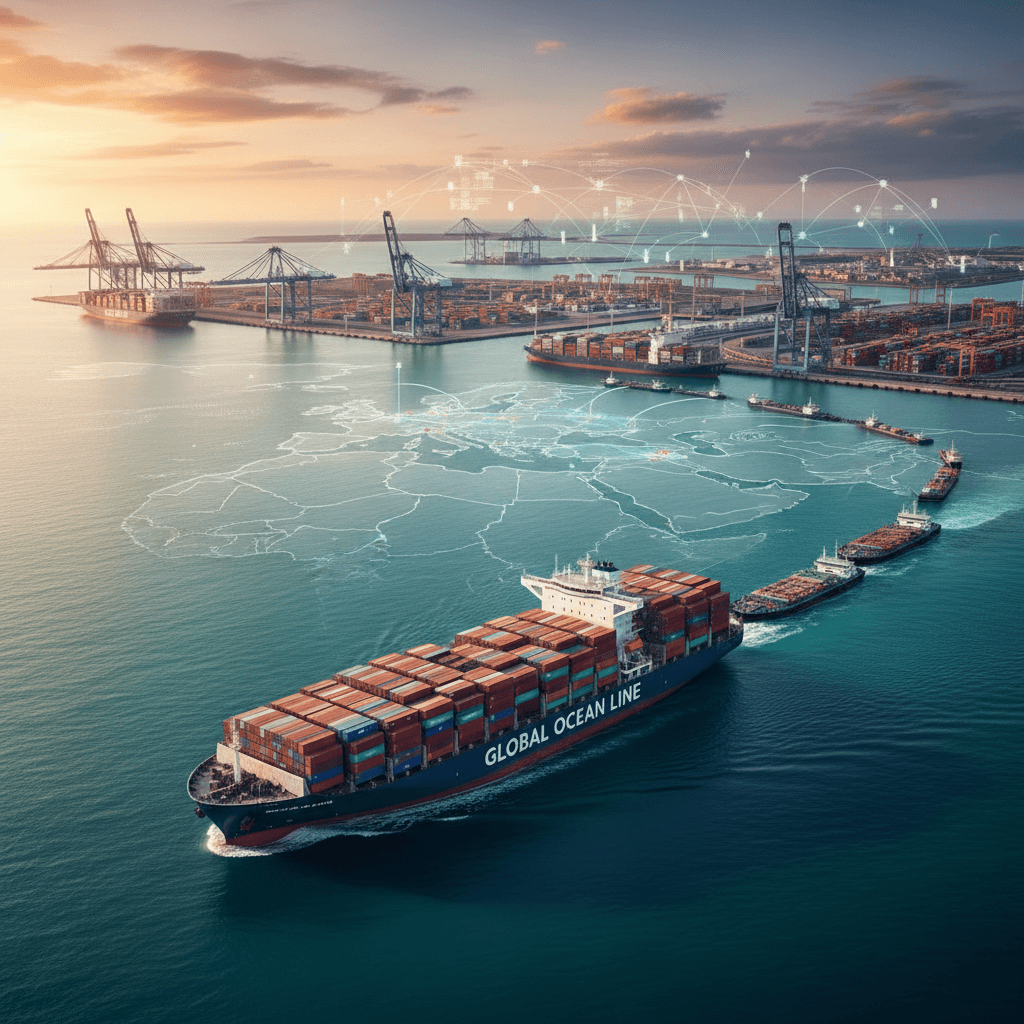
The maritime landscape in the Middle East is undergoing a fundamental transformation. What began as a series of tactical responses to regional instability is evolving into a permanent strategic shift toward multimodal land bridges. As traditional chokepoints like the Strait of Hormuz and the Bab el-Mandeb face recurring disruptions, the industry is moving away from a "sea-only" philosophy toward a more resilient, integrated network.
From Sea Lanes to Land Bridges
For decades, the standard logistics model prioritized the cheapest sea routes, treating land transport as an expensive last resort. However, as maritime "black swan" events become increasingly common, global carriers and shippers are rewriting the rulebook. The focus has shifted from pure cost-optimization to guaranteed transit. By integrating rail and road detours into their core service offerings, logistics providers are ensuring that trade continues to flow even when vital seaways are restricted.
The Foundations of Resilience: Saudi Arabia and Oman
Central to this new logistics architecture are two key regional players: Saudi Arabia and Oman. Their investments are turning the Arabian Peninsula into a sophisticated "switchboard" for global trade:
- Saudi Arabia: Under its National Transport and Logistics Strategy, the Kingdom has significantly expanded its Red Sea gateways, including Jeddah and King Abdullah Port. Most notably, the 1,700-kilometer rail freight corridor now links Gulf ports like Dammam directly to the Jordanian border, offering a high-capacity alternative to maritime transit through volatile waters.
- Oman: Ports such as Salalah and Sohar have emerged as critical diversion hubs. By discharging cargo outside the Strait of Hormuz and utilizing expedited trucking arrangements into the UAE and beyond, Omani infrastructure provides a vital "land spine" that reduces exposure to contested maritime zones.
The Rise of Branded Multimodal Products
The private sector has been quick to adapt. Port-to-door services now frequently bundle sea, road, and rail into single, end-to-end "emergency multimodal" products. Freight forwarders and integrators are increasingly pricing "resilience" as a premium option, ensuring that high-value cargo avoids idle inventory or the exorbitant costs of emergency airfreight during a crisis.
Three Strategic Steps for Shippers
As the control of trade moves partially inland, maritime stakeholders are encouraged to adopt a proactive three-step framework:
- Map Exposure: Identify which supply chain segments are most vulnerable to specific maritime chokepoints.
- Secure Hedges: Establish contracts and partnerships across at least two different Gulf landbridge routes.
- Monitor Access: Track corridor availability and regulatory rules with the same rigor usually reserved for freight costs.
The current shift suggests that even if regional tensions ease, the infrastructure and logistics habits formed today will likely remain. The desert is no longer just a barrier to be sailed around; it is becoming the essential corridor for the future of global trade.