
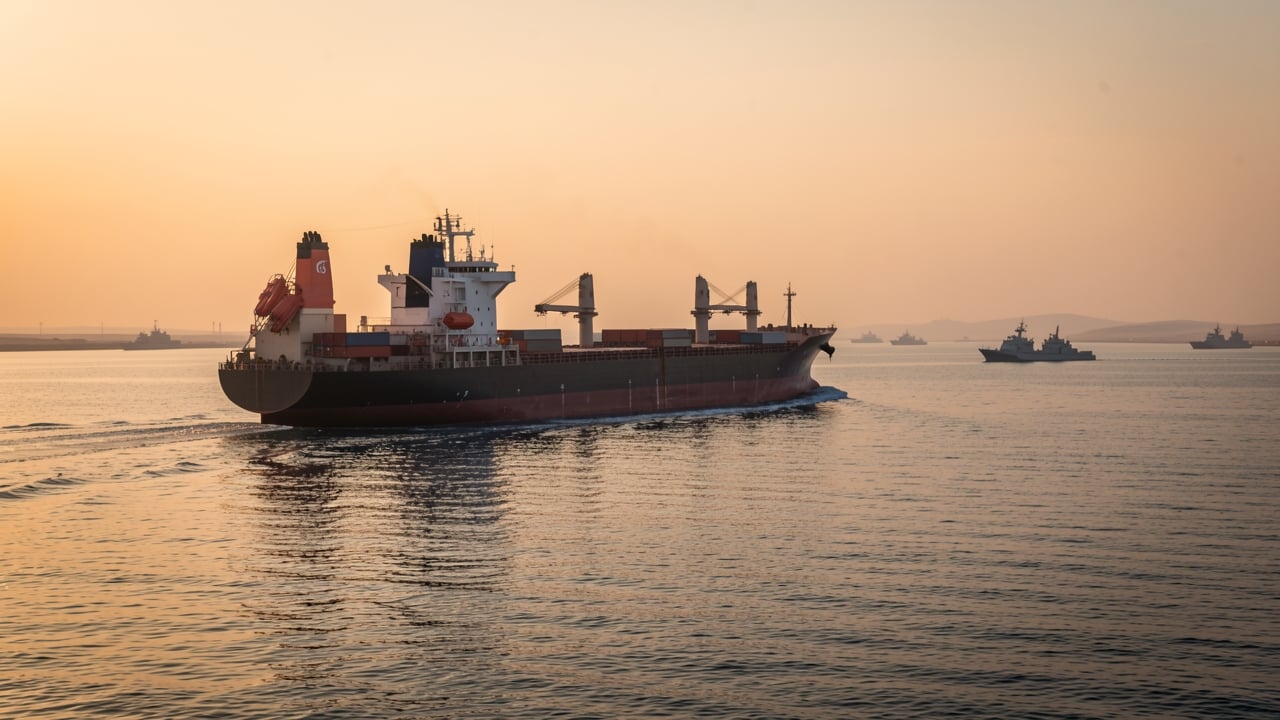
Strategic Rerouting in a Volatile Landscape
Recent escalations in the Red Sea and the Strait of Hormuz have compelled shipowners to reevaluate traditional trade lanes. While headlines portray a maritime industry paralysed by conflict, the reality on deck reflects a calculated shift rather than a standstill.
Choosing Safety Over Immediate Gains
Operators of bulk carriers transporting grain, fertiliser and other commodities have voluntarily redirected voyages toward the United States, Europe and Latin America. The decision stems from a clear hierarchy of priorities: crew safety and vessel integrity outrank the prospect of higher freight rates in the Middle East.
These changes illustrate a fundamental commercial principle – sometimes the most profitable choice is the one you decline.
Quantifying the Impact
Since late 2023, over a hundred commercial vessels have been targeted in the Red Sea, resulting in sinkings, seizures and, tragically, crew casualties. The situation intensified in September 2026 when Iran claimed responsibility for striking ten ships near Hormuz, including a fatal drone attack on a tanker.
Vessel‑tracking data from 15 September recorded merely four commodity‑carrier transits, a stark drop from the pre‑conflict average of about 125 vessels per day. Each incident forces owners to reconsider itineraries, insurers to adjust premiums, and charterers to seek alternative tonnage.
Why Merchant Ships Become Targets
Despite carrying no weapons, cargo ships are attractive targets because they are highly visible, economically valuable and, when attacked, generate powerful imagery that undermines market confidence. A burning tanker, black smoke billowing over the water, sends a clear signal that global supply chains are vulnerable.
The multinational nature of shipping – owners, registries, managers and crews often hailing from different nations – makes vessels easy proxies in geopolitical disputes, even when the crew have no stake in the underlying conflict.
Grain Vessels in the Cross‑Fire
The Russia‑Ukraine war adds another layer of risk. Ukrainian ports such as Odesa remain crucial gateways for grain exports, yet they have become flashpoints. In July 2026, Russian forces struck dozens of ships, including the Guinea‑Bissau‑flagged Golden Leo, which was hit by three cruise missiles while carrying corn, resulting in a fire and the loss of ten seafarers.
These incidents, while receiving limited mainstream coverage, have profound implications for global food security and reinforce the need for diversified routing strategies.
Looking Ahead
As long as chokepoints remain contested, the maritime industry will continue to adapt. Flexible charter contracts, dynamic risk assessment tools and collaborative information‑sharing among owners, insurers and charterers will be essential to maintain the flow of goods while safeguarding lives.
In a world where conflict can erupt overnight, the enduring instinct of the shipping sector remains unchanged: navigate around danger, keep the cargo moving, and protect the crew.