
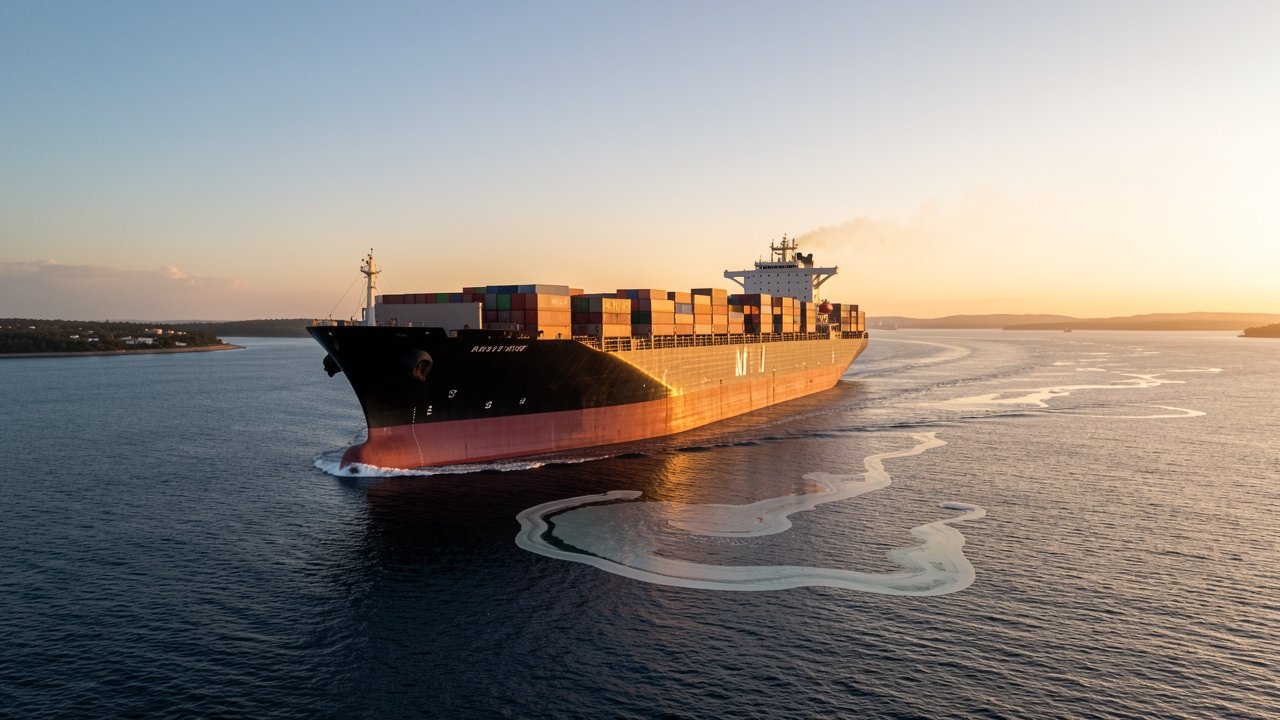
According to the latest OPEC monthly market report, October witnessed a pronounced escalation in dirty tanker spot freight, propelled primarily by record‑high Very Large Crude Carrier (VLCC) rates. The surge reverberated across the Suezmax and Aframax segments, while also exerting upward pressure on clean‑tanker pricing.
Key Drivers of the October Upswing
- Re‑entry of previously disrupted cargo volumes.
- Ongoing trade imbalances and export bottlenecks.
- Extended voyage distances that limited vessel availability.
VLCC Performance
VLCC spot freight dominated the market, rising 33% month‑on‑month (MoM) and more than 920% year‑on‑year (YoY). On the Middle East‑to‑East corridor, rates averaged WS 1,213, a 26% MoM increase and over thirteen times the level recorded a year earlier. The Middle East‑to‑West route posted WS 550, up 25% MoM and nearly ten‑fold YoY. The most dramatic jump occurred on the West Africa‑to‑East lane, where rates climbed 56% MoM to WS 656.
Suezmax Gains
Suezmax freight responded strongly to the VLCC surge, with rates climbing 132% MoM – the highest monthly rise among the three major crude‑carrier classes. Compared with October 2025, current rates are roughly seven times higher. Notable routes include:
- West Africa‑to‑USGC: WS 845 (127% MoM, >7× YoY)
- USGC‑to‑Europe: WS 749 (139% MoM, >7× YoY)
Aframax Activity
Aframax spot rates also advanced, though at a more moderated pace. On the Cross‑Mediterranean lane, freight rose 67% MoM, remaining over four times the level of October 2025. Overall, Aframax rates stayed near record territory, supporting the broader market uplift.
Impact on Clean‑Tanker Segment
Higher crude‑carrier rates have begun to spill over into the clean‑tanker market. Average clean‑tanker freight increased 51% MoM, with West‑of‑Suez routes narrowing the gap with East‑of‑Suez lanes that had previously led the gains.
Outlook
The OPEC report suggests that the combination of constrained vessel supply, lingering trade dislocations, and longer voyage legs will keep market tightness in place through the winter months. Stakeholders should monitor the evolving freight structure, especially as refiners and exporters adjust to the heightened cost environment.