
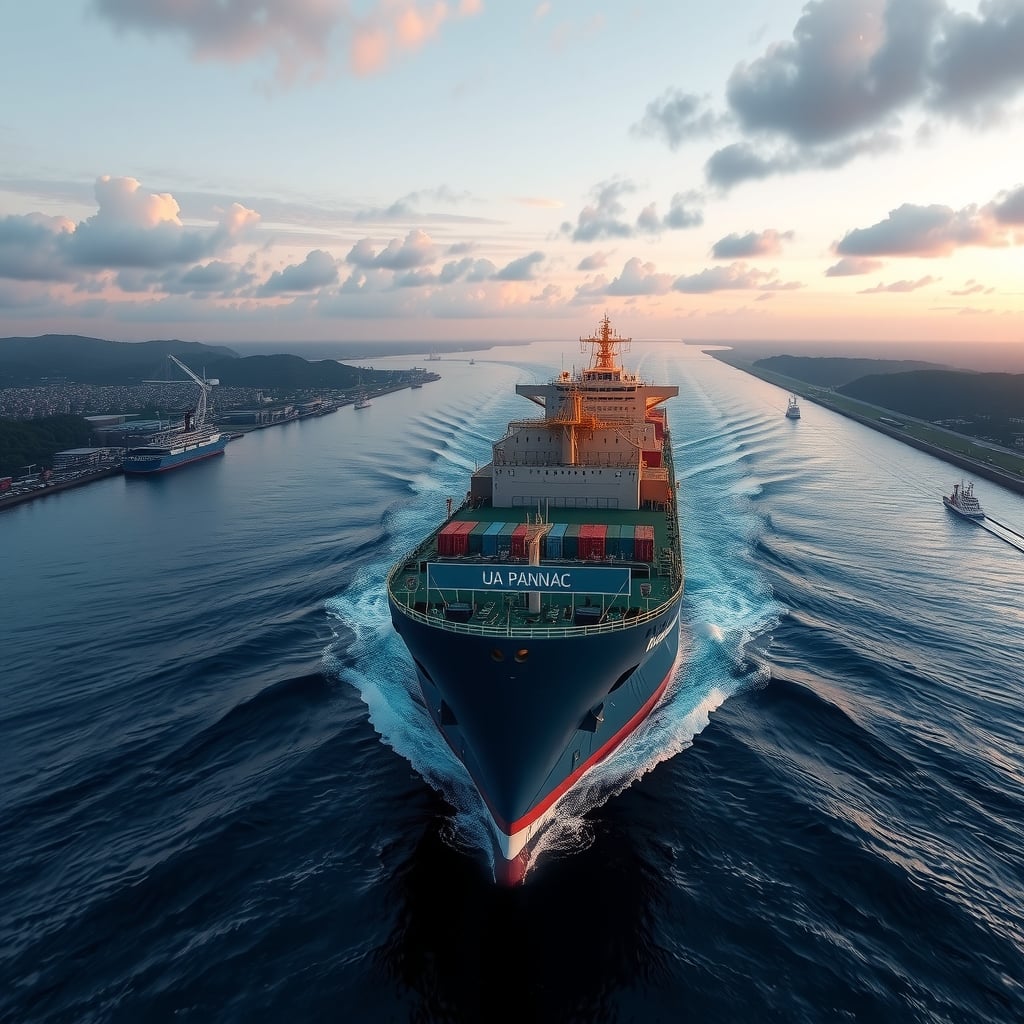
Panama Canal Traffic Surges
Average daily transits through the Panama Canal have risen 8% year-on-year to 38 vessels per day, largely driven by tanker demand, according to BIMCO analysis.
Strait of Hormuz Disruption
The escalation of conflict involving Iran has reduced Strait of Hormuz transits, tightening global energy supplies and boosting commodity prices, prompting buyers in Asia and the west coast of the Americas to source more cargoes from the US Gulf.
This shift has increased competition for Panama Canal slots, particularly among tanker operators, with waiting times rising 50% year-on-year to an average of 47 hours.
Alternative Routes
As costs and delays rise, some operators are weighing alternative routes via the Cape of Good Hope or Cape Horn despite longer voyage distances and higher bunker consumption.
Weather Complications
BIMCO also warns that weather could create further complications later this year, with the possible return of the El Niño climate pattern threatening rainfall levels feeding Gatun Lake, the canal’s primary water reservoir.
- Container vessels, LPG carriers, oil tankers and bulkers account for roughly 77% of canal traffic.
- Liners generally secure slots earlier because of fixed schedules, while bulk and tanker operators often bid closer to sailing dates.