
Overview
U.S. policymakers are weighing restrictions on diesel exports amid record domestic fuel prices. While a full ban has not yet been enacted, the prospect alone is reshaping expectations for the Atlantic clean‑tanker sector, which already faces supply disruptions from Russia and the Middle East.
Impact on Medium‑Range Tankers
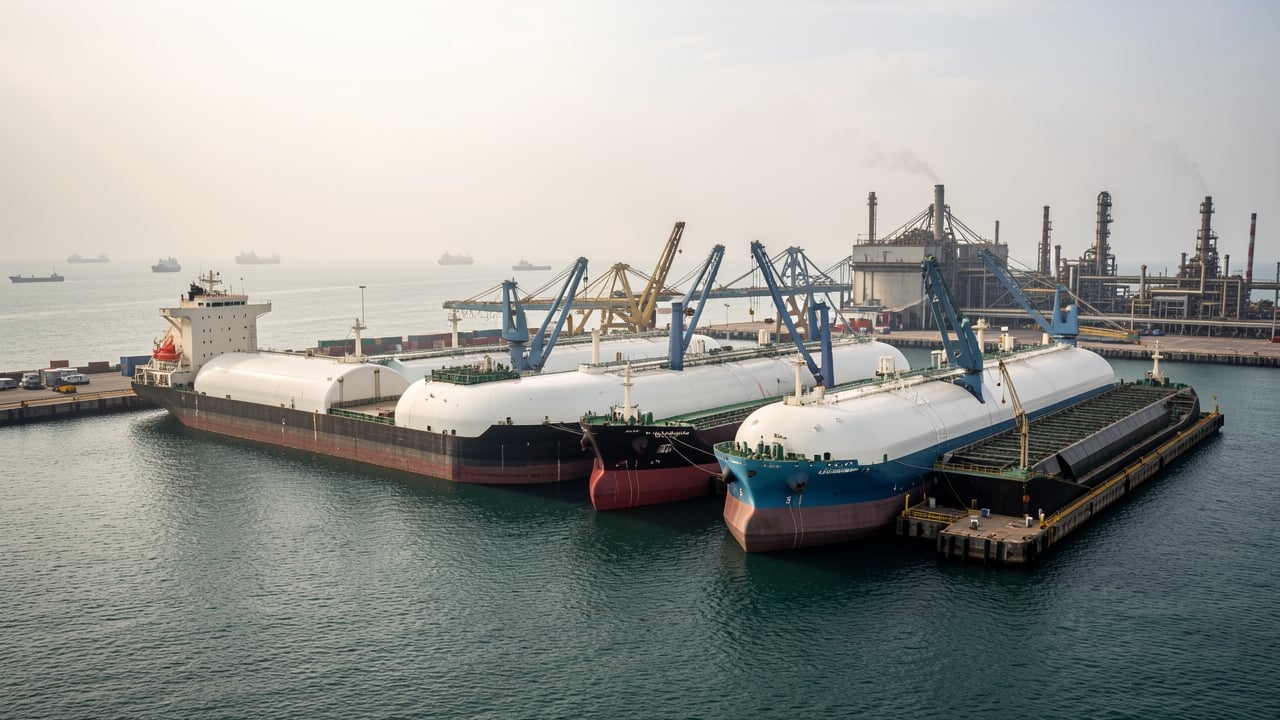
Medium‑range (MR) vessels, particularly the MR2 class, carry more than 90% of U.S. diesel destined for Europe and Latin America. BRS Shipbrokers estimate that a complete export prohibition could strand roughly 1.35 million barrels per day – the equivalent of four MR2 cargoes daily. The loss would not only eliminate cargo volumes but also erase the lucrative “triangulation” trade, where vessels discharge gasoline on the U.S. Atlantic coast before loading diesel in the Gulf for the return leg to Europe.
Resilience of the MR Segment
Despite the threat, analysts such as Fotios Katsoulas of S&P Global Energy Horizons argue that MR vessels remain the most resilient clean‑tanker segment. Their ability to carry diesel, gasoline, jet fuel, biofuels and other refined products provides diversification that larger vessel classes lack.
Market Indicators
The Platts Clean Tanker Index reached a record $121,198 per day on September 30 for non‑scrubber‑fitted, non‑eco vessels, underscoring heightened demand and limited supply. Early data suggest that market participants are already accelerating cargoes to market in anticipation of a ban, a behavior that could introduce further volatility if contracts are later cancelled.
Potential Supply Shifts
Should U.S. diesel exports be curtailed, the broader clean‑tanker market may benefit from a westward redirection of Asian diesel supplies. BRS identifies two plausible incremental sources: Saudi Arabia’s Red Sea refineries – capable of adding around 250,000 barrels per day once the East‑West pipeline is repaired – and Chinese refiners, although a significant uplift in Chinese export volumes appears unlikely. In September, China exported 425,100 barrels per day, the highest level since December 2022.
Outlook
Europe and Latin America are the most exposed regions, given the scarcity of alternative diesel sources. Pressure on MR2 vessels could spill over to MR1 markets as operators scramble for smaller cargoes, while many clean tankers may opt to ballast away from the Gulf, reshaping tonnage distributions across other routes.
Stakeholders are closely monitoring the U.S. Energy Department’s deliberations. A balanced approach that retains some export capacity while addressing domestic price concerns could mitigate the shock to Atlantic clean‑tanker earnings.