
Key Highlights
- Retail turnover value up 10.4% YoY in September 2026.
- Retail volume up 7.7% YoY in the same period.
- January‑September 2026 shows an 8.4% increase in value and 6.6% rise in volume compared with 2025.
September 2026 Performance
According to the Cyprus Statistical Service, the Retail Trade Turnover Index (value) rose by 10.4% in September 2026 compared with September 2025. The corresponding volume index recorded a 7.7% year‑over‑year gain. These figures reflect a broad‑based recovery in consumer spending across the island.
Year‑to‑Date Outlook (Jan‑Sep 2026)
For the first nine months of 2026, the value index posted an 8.4% increase over the same period last year, while the volume index grew by 6.6%. The sustained upward trajectory suggests that demand for goods – ranging from everyday essentials to higher‑margin products – remains resilient despite global economic headwinds.
Implications for Shipping and Logistics
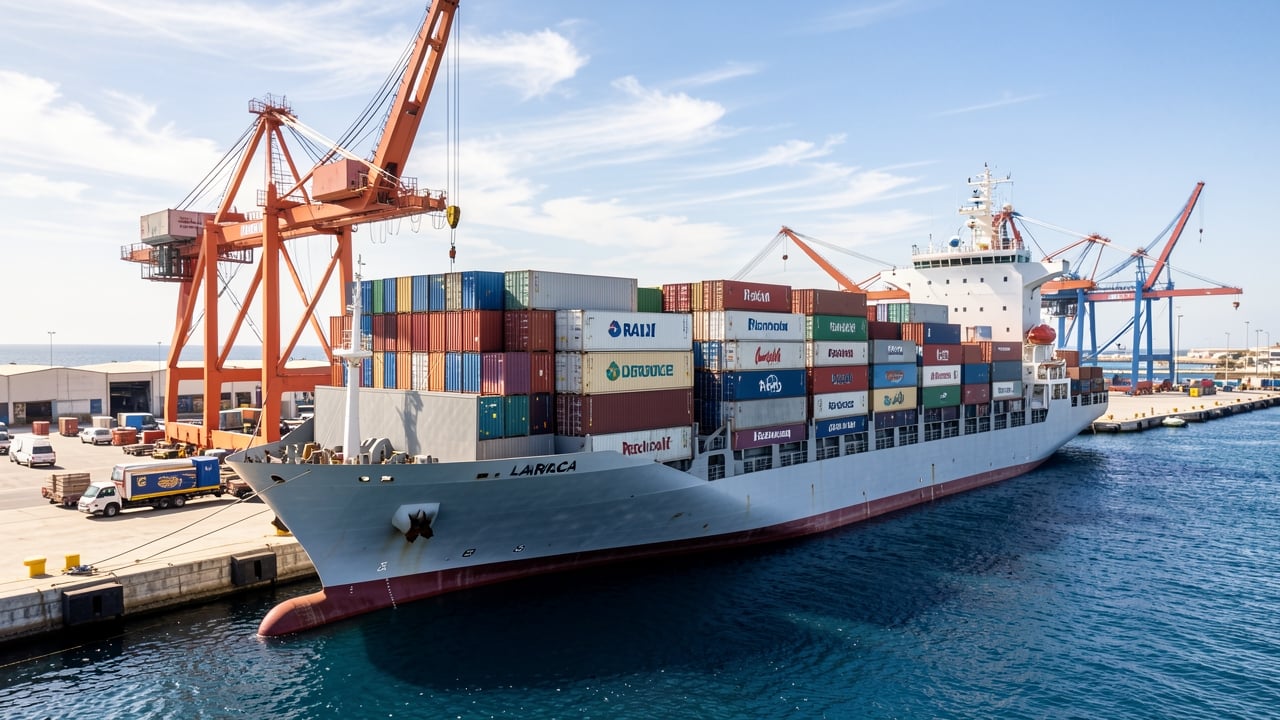
Higher retail turnover directly translates into greater freight volumes moving through Cyprus’ ports and inland distribution networks. Shipping operators can anticipate:
- Increased container imports of consumer goods, especially from EU and Asian suppliers.
- Higher demand for refrigerated and temperature‑controlled logistics to service perishable retail items.
- Potential uplift in short‑sea shipping routes connecting Larnaca, Limassol, and regional hubs.
Logistics providers are advised to monitor inventory turn‑over rates and adjust capacity plans accordingly, ensuring that vessel scheduling and terminal handling align with the rising retail demand.
Broader Economic Context
While retail metrics are upbeat, other sectors reported a softening economic climate in October, with consumer confidence showing signs of weakening. Nevertheless, the retail sector’s momentum provides a counter‑balance, supporting cargo volumes and sustaining the maritime supply chain’s throughput.
Looking Ahead
Industry stakeholders should keep an eye on upcoming policy measures, fuel price trends, and potential shifts in import‑export regulations that could affect freight costs. Continued collaboration between retailers, freight forwarders, and port authorities will be essential to capitalize on the current growth phase.
Sources
Data sourced from the Cyprus Statistical Service and reported by InBusinessNews on 2 November 2026.