
Overview
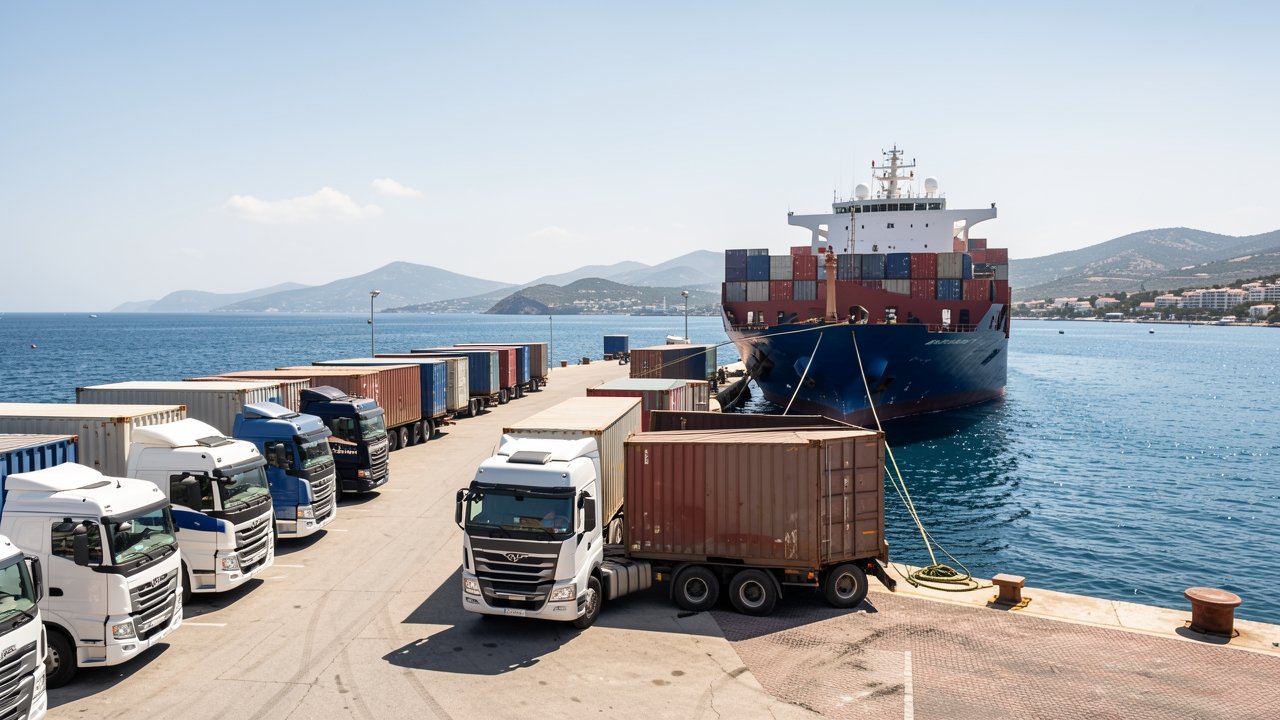
According to the Statistical Service of Cyprus, road‑based freight activity recorded a mixed performance in the second quarter of 2026. While the total weight of cargo moved to and from the island rose sharply, the distance‑adjusted metric of ton‑kilometers (TKM) showed a notable decline.
Weight of Cargo Transported
In the April‑June period, the combined weight of products transported by road to and from Cyprus reached 12.5 thousand tonnes, up 17.7 % from the 10.6 thousand tonnes recorded in the same quarter of 2025. Domestic road freight also grew, albeit modestly, with a 2.3 %** increase to 11.16 million tonnes** compared with 10.91 million tonnes a year earlier.
When the figures are expanded to the first half of 2026, the upward trend persists. The weight of cargo moving across the island’s borders climbed 13.6 %** to 23.6 thousand tonnes**, while intra‑Cyprus road freight rose **2.3 %** to 22.29 million tonnes.
Ton‑Kilometers: A Declining Indicator
Despite the higher cargo masses, the distance‑weighted measure of transport activity fell. In Q2 2026, intra‑Cyprus road freight recorded **242.6 million TKM**, an **11.4 %** drop from 273.8 million TKM in Q2 2025. For cross‑border movements, TKM declined **16.8 %** to 8.7 million, down from 10.4 million the previous year.
Over the full six‑month period, the trend continued: domestic TKM decreased **7.8 %** to 501.9 million, and cross‑border TKM fell **20.5 %** to 16.5 million.
Implications for Maritime and Logistics Stakeholders
The divergence between weight and distance suggests that freight operators are handling larger loads over shorter routes—likely a response to shifting supply‑chain patterns, seasonal demand spikes, or increased use of intermodal solutions linking road and sea transport.
For shipping agencies and port authorities, the rise in cargo weight signals greater import‑export activity, potentially boosting demand for hinterland connectivity services. However, the reduction in TKM may translate into lower fuel consumption and reduced road congestion, aligning with sustainability goals promoted across the maritime sector.
Outlook
Monitoring the balance between cargo volume and transport distance will be crucial for forecasting future infrastructure needs. If the trend of heavier but shorter hauls persists, investment in efficient short‑sea links and terminal handling capacity could become a strategic priority for Cyprus’ logistics ecosystem.