
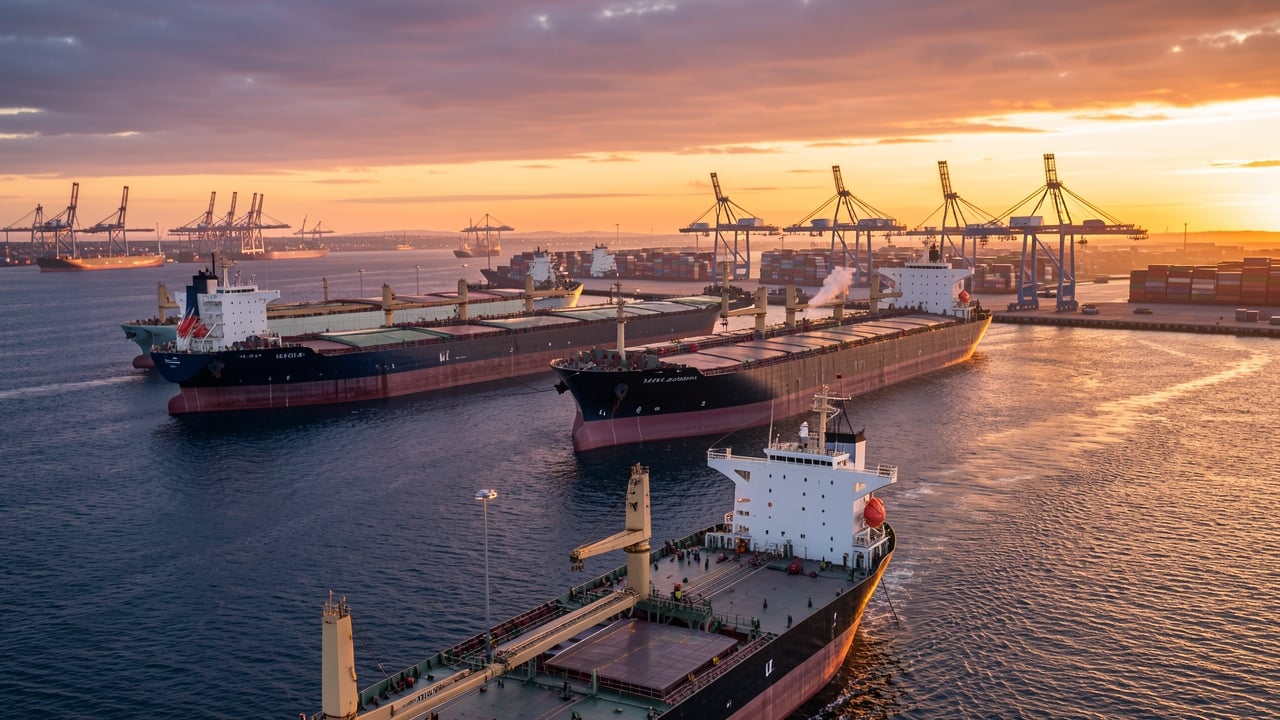
In September, dirty tanker spot freight rates climbed sharply across every vessel class, driven by persistent trade dislocations, export bottlenecks and longer voyages that kept available tonnage scarce. The latest OPEC monthly report confirms that the market has shifted dramatically, with Very Large Crude Carriers (VLCC) seeing near‑doubling rates on most monitored routes and even a tripling effect on the West Africa‑to‑East corridor.
VLCC market sets new records
VLCC spot freight rates posted an average month‑on‑month increase of 98% and an astonishing year‑on‑year rise of 981% – roughly eight‑fold higher than a year earlier. Key route performance includes:
- Middle East‑to‑East: WS962, up 88% m/m and 981% y/y.
- Middle East‑to‑West: WS440, up 87% m/m and 730% y/y.
- West Africa‑to‑East: WS421, up 142% m/m and 390% y/y, the steepest jump of the month.
These spikes reflect a combination of reduced tanker availability and a surge in tonne‑mile demand, pushing charterers to offer premium rates for guaranteed cargo carriage.
Suezmax rates benefit from VLCC spill‑over
Charterers, seeking alternatives to the scarce VLCC fleet, turned to Suezmax vessels, lifting that segment’s pricing. Overall Suezmax spot rates rose 53% month‑on‑month and were 246% higher than September 2025. Notable routes:
- West Africa‑to‑USGC: WS373, +53% m/m, +259% y/y.
- USGC‑to‑Europe: WS313, +53% m/m, +233% y/y.
Aframax follows the upward trend
Aframax spot freight rates increased across all monitored lanes, with an average month‑on‑month rise of 72% and a 19% gain versus September 2025 – effectively four times the previous year’s level. Highlights include:
- Indonesia‑to‑East: WS307, +62% m/m.
- Intra‑Mediterranean: +87% m/m.
Clean tanker market shows modest strength
While the dirty tanker segment dominated headlines, clean tanker spot rates also posted gains. East of Suez routes climbed an average 54% month‑on‑month, whereas West of Suez lanes saw a more modest 13% rise.
Implications for the industry
The September surge underscores a broader structural imbalance: limited new tanker deliveries, lingering port congestion, and heightened geopolitical risk are all compressing supply. Operators and charterers should anticipate continued volatility, and may need to secure longer‑term contracts or explore alternative vessel classes to mitigate exposure.
Stakeholders in Cyprus and the wider Eastern Mediterranean will closely monitor these dynamics, as the region’s strategic position makes it a pivotal hub for both dirty and clean cargoes.