
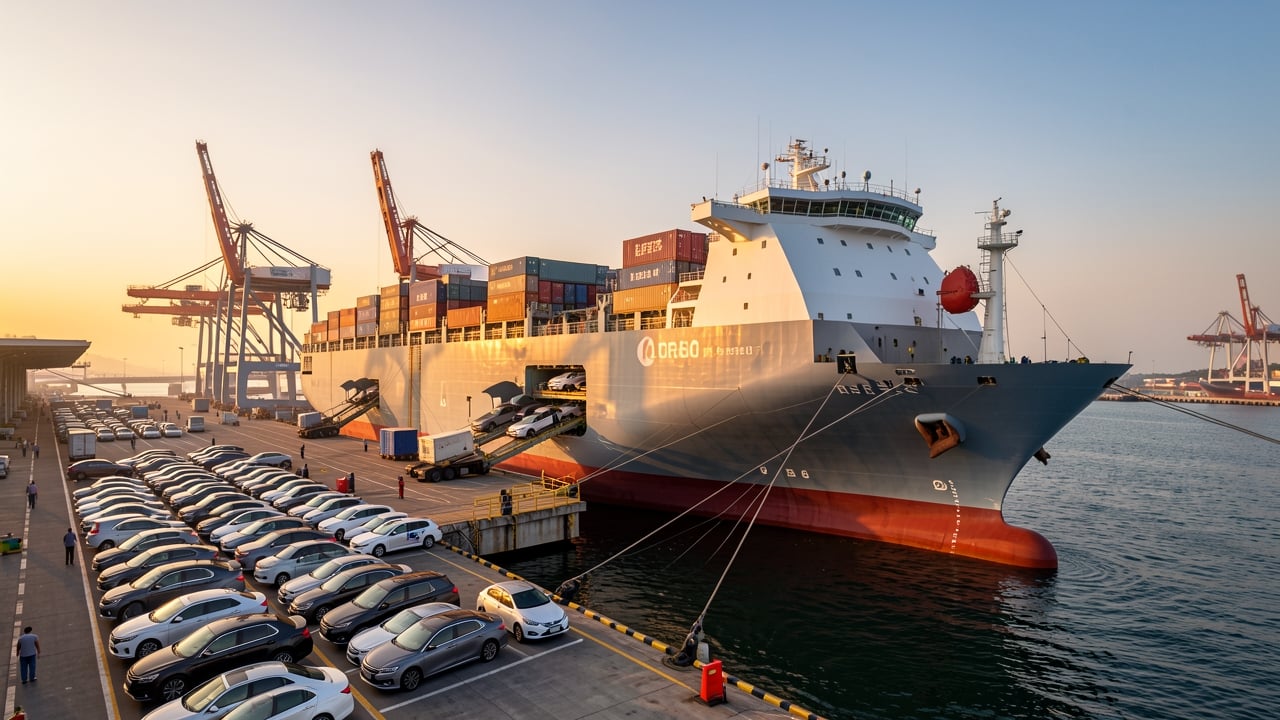
Seven Yield expands LNG car carrier portfolio with new Chinese charter
Luxembourg‑incorporated shipowner Seven Yield has secured two five‑year time charters for its LNG‑dual‑fuel car carriers, marking a significant step in the company’s strategy to deepen relationships with Asian automotive manufacturers.
Charter details and timeline
The agreements cover the 2020‑built sisterships Siem Confucius and Siem Aristotle. The first charter will commence in 2027, followed by the second in 2028. While the identity of the Chinese automaker remains undisclosed, industry sources confirm that it is a leading player in the domestic market.
Vessel specifications
Both vessels were the world’s first deep‑sea car carriers equipped with LNG dual‑fuel propulsion. Key specifications include:
- Length overall: approximately 200 m
- Beam: 38 m
- Capacity: 7,500 car equivalent units (ceu)
- Propulsion: LNG‑dual‑fuel engine, delivering reduced emissions and compliance with IMO 2020 standards
Originally built for Volkswagen’s transatlantic logistics network, the ships replaced conventional fuel‑oil carriers, delivering a greener footprint for the German automaker’s supply chain.
Strategic context for Seven Yield
Seven Yield’s current fleet comprises 18 vessels, including eight car carriers, six roll‑on/roll‑off (RORO) ships, two bulk carriers, and two other specialized vessels. The firm reported a contracted revenue backlog of roughly $700 million as of September 2026.
The new charters add another five years of guaranteed employment for each vessel, extending the operational life of the LNG fleet well into the 2030s and reinforcing the company’s commitment to environmentally responsible shipping.
Growing Chinese interest in dedicated car‑carrier capacity
Chinese vehicle manufacturers have been actively seeking greater control over overseas logistics. BYD, for instance, recently confirmed the acquisition of ten additional car carriers, although the details of those contracts remain confidential. The latest Seven Yield agreements underscore a broader trend of Asian automakers securing dedicated maritime capacity to support expanding export volumes.
Implications for the maritime market
The contracts illustrate the increasing demand for LNG‑powered vessels, driven by stricter emission regulations and the automotive sector’s need for reliable, low‑carbon transport solutions. As more manufacturers look to internalise logistics, shipowners with green fleets are well‑positioned to capture premium charter rates.
Seven Yield’s ability to attract a major Chinese client without revealing rates suggests confidence in the market value of its LNG‑enabled car carriers and highlights the growing importance of sustainability in the global vehicle supply chain.