
Background
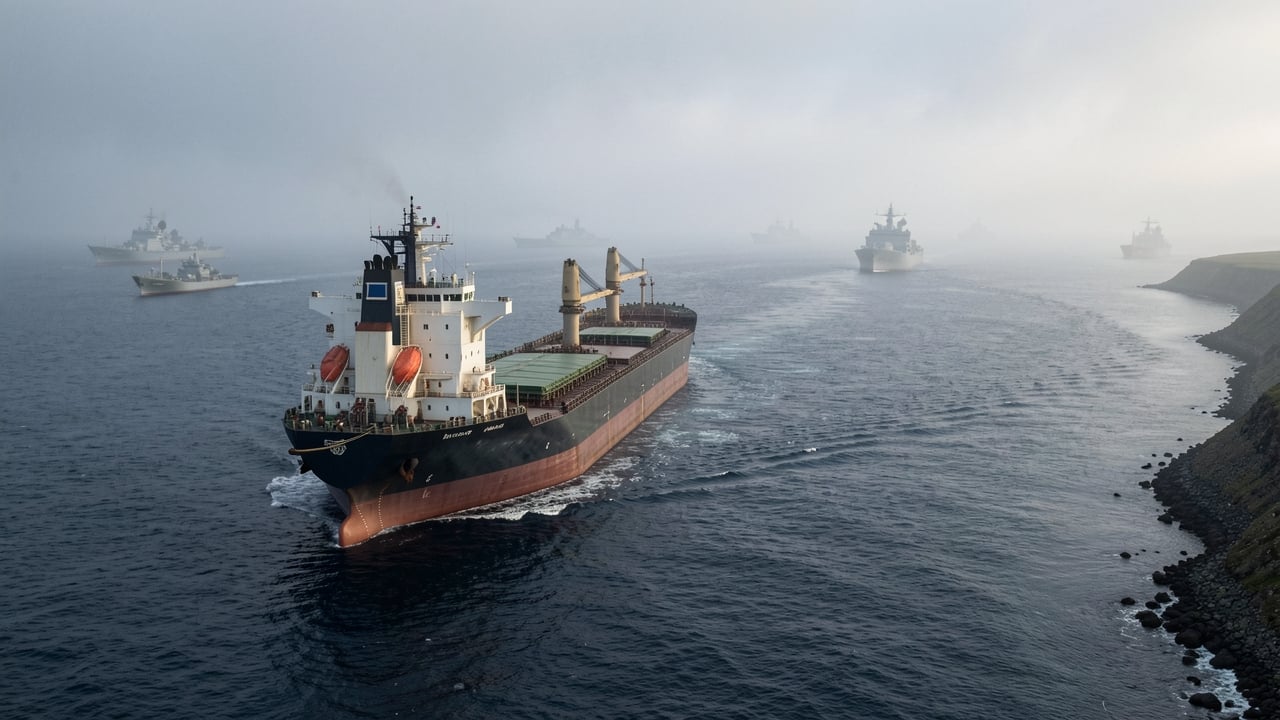
Six months after the de‑facto closure of the Strait of Hormuz, the conflict in the Middle East shows no sign of resolution. The narrow waterway, which carries roughly a quarter of the world’s oil and a fifth of global LNG shipments, remains inaccessible, prompting the maritime community to assess the longer‑term ramifications for 2026.
The Current Oil Market Landscape
Data from 2025 indicated that the strait’s blockage could disrupt up to 25 % of global oil flows and about 20 % of LNG volumes. In practice, the impact has been mitigated by heightened production from North America, West Africa and the Caspian region, as well as limited vessel traffic that still manages to pass through the chokepoint.
- Global oil exports are down approximately 7 % year‑to‑date.
- LNG trade volumes have fallen around 4 % in the first half of 2026.
- International Energy Agency (IEA) figures show oil inventories have contracted by 2.7 million barrels per day (5 %) since February, now sitting below 7.9 billion barrels – the lowest level since April 2025.
- European gas storage is 19 % below 2025 levels and 25 % under the five‑year average, jeopardising winter supply security.
Oil Price Outlook if the Strait Remains Closed
Persistent closure would continue to draw down already thin oil stocks, pushing Brent and WTI prices upward. A sustained price above USD 100 per barrel would reverberate across the global economy, raising freight rates, food costs and inflationary pressures. The European TTF gas index has already more than doubled since the conflict began, though it remains below the spikes experienced during the 2022 Ukraine war.
Implications for LNG Shipping
The LNG sector faces a paradox. While high gas prices typically benefit carriers, the current situation traps volumes within the Persian Gulf, limiting cargoes that can reach market hubs. Oversupply of LNG vessels has already depressed earnings, and a further decline in cargo volumes could erode profitability through 2027. Asian importers may pivot back to coal if gas prices soar, adding further strain to LNG freight rates.
Bunker Fuel Costs Follow the Oil Trend
Marine fuel markets react closely to crude price movements. Very Low Sulphur Fuel Oil (VLSFO) is trading near USD 840 per metric tonne in Singapore, a sharp rise from pre‑conflict levels under USD 500/t. Shipowners can expect bunker costs to remain elevated, impacting operational budgets for tankers, bulk carriers and container vessels alike.
Strategic Takeaways for the Industry
Stakeholders should monitor the geopolitical situation closely and consider short‑term hedging strategies for both crude and bunker fuel. Diversifying fuel sources, optimizing voyage planning to avoid congested routes, and maintaining flexible charter contracts will be essential to mitigate the financial shock of a prolonged Hormuz shutdown.
While the worst‑case scenario could trigger a broader economic slowdown, proactive risk management can help the maritime sector navigate the uncertainty ahead.