
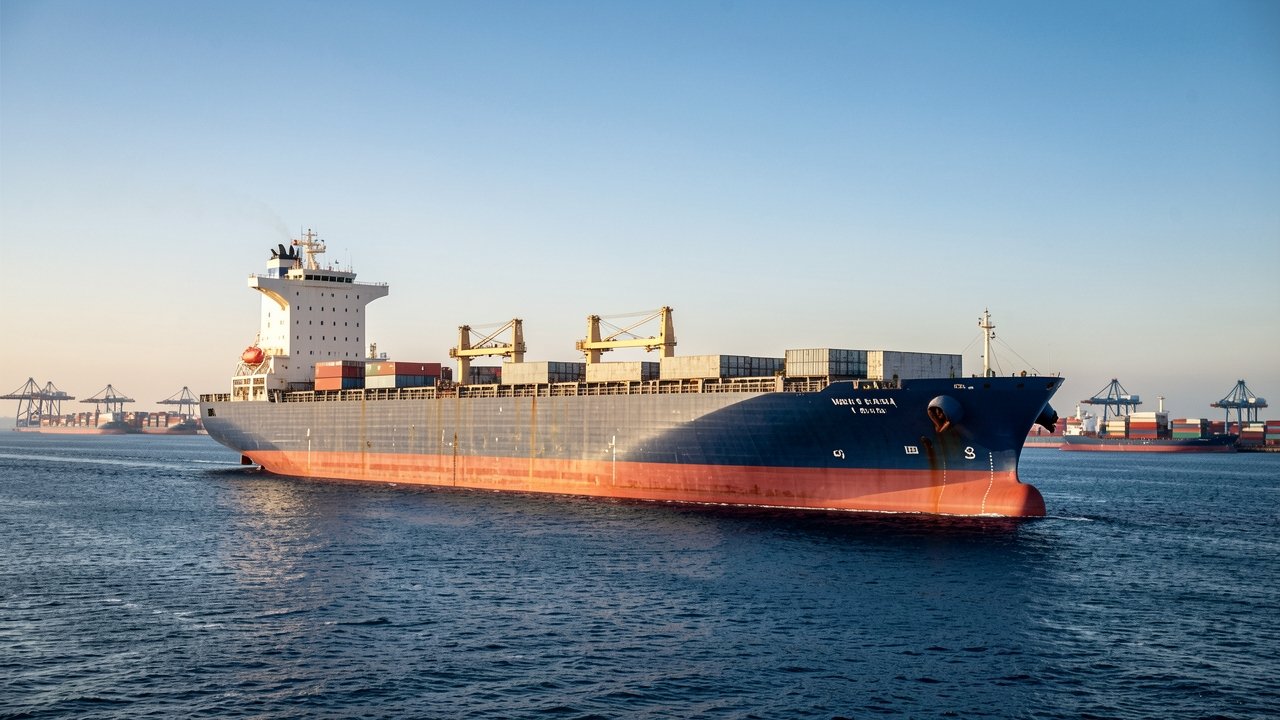
Fleet Expansion Set to Test Market Resilience
According to the latest S&P Global Energy CERA tanker fleet outlook, the global tanker tonnage is poised to expand by more than 20% over the next four years. Capacity is expected to climb from 703.7 million deadweight tonnes (dwt) at the end of 2025 to 863 million dwt by 2029. This growth is driven by a robust order book and the gradual return of vessels from scrapping.
Why the market is at a crossroads
The recent freight surge—sparked by geopolitical tension in the Middle East and longer Asian import routes—has lifted charter rates to historic highs. However, CERA analysts stress that the market is shifting from a scarcity‑driven environment to one where demand must work harder to absorb the swelling supply. The critical question is whether ton‑mile demand, scrapping schedules, sanctions‑related inefficiencies and operational segmentation can keep utilisation and freight rates from slipping.
Record‑breaking rates under pressure
Platts’ Global Dirty Tanker Index jumped from US$162 k per day on 27 February to US$841 k per day on 2 November, a rise of more than 400%. The Clean Tanker Index posted a similar surge, moving from US$38 k to US$143 k per day (over 275%). These spikes were fueled by heightened ship‑to‑ship transfers and the need for Asian buyers to source crude from more distant fields.
Potential headwinds
Analysts warn that the current inefficiencies cannot be sustained indefinitely. A gradual de‑escalation of geopolitical tensions, easing of sanctions or the reintegration of restricted vessels could accelerate the effective supply of tonnage, outpacing the headline fleet growth figures.
Newbuild pipeline and its impact
At the close of September, the order book comprised 1,494 tankers totaling 184 million dwt—representing 18.3% of the fleet by vessel count and 25.1% by capacity. Very Large Crude Carriers (VLCCs) and Suezmaxes dominate the pipeline, accounting for roughly 70.5% of the ordered deadweight.
- VLCC capacity is projected to rise 31.5%, from 273 million dwt in 2025 to 359 million dwt in 2029.
- Suezmax capacity is set to increase 30.6%, reaching 143 million dwt by 2029.
- Product tanker deliveries—Aframax/LR2 and Medium Range—are front‑loaded, with growth moderating after 2026‑27.
The most challenging period is identified as 2028‑29, when a wave of VLCC and Suezmax deliveries could overwhelm demand.
Second‑hand market remains buoyant
The freight boom has dramatically reshaped tanker asset values. CERA estimates a five‑year‑old VLCC now commands around US$185 million—up 57% in nine months and roughly US$40 million above the price of a newbuild order (US$145 million). This premium underscores the continued confidence of investors, even as the market braces for a potential slowdown.
Outlook
While short‑term freight rates remain elevated, the looming capacity increase suggests a cautious outlook. Stakeholders will need to monitor demand fundamentals, regulatory developments and the timing of new deliveries to gauge whether the market can sustain its current momentum.