
Escalating Tensions in the Strait of Hormuz
This week the conflict around the Strait of Hormuz entered a dangerous "tanker‑for‑tanker" phase. The United States responded to recent attacks on commercial vessels by striking Iranian state‑owned tankers, while a fully laden VLCC was reported abandoned and listing off the Omani coast. The incident underscores the heightened risk to bulk and crude carriers transiting this strategic chokepoint.
SMM 2026: Europe’s Premier Shipping Showcase
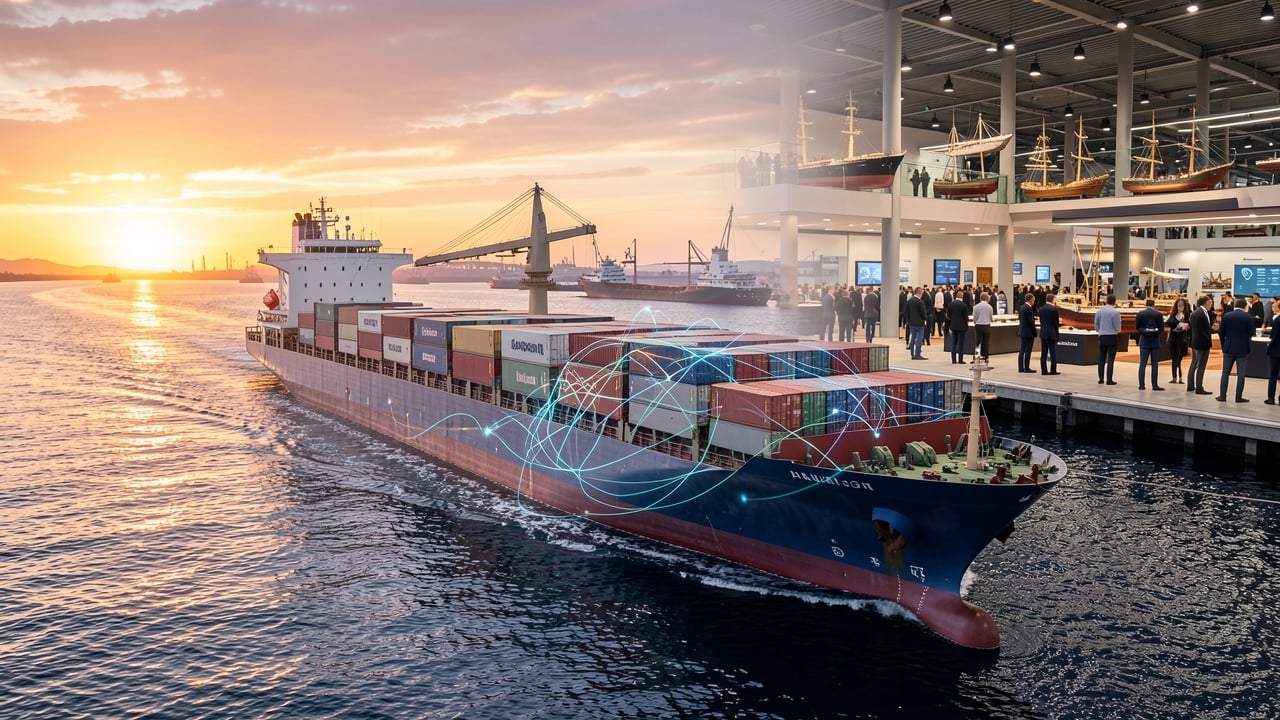
Running from Tuesday to Friday, the SMM exhibition in Hamburg occupied nine massive halls, drawing shipowners, shipyards and technology providers from around the globe. The event provided the backdrop for the launch of SplashTech’s inaugural magazine, positioning itself as the maritime technology bible for the year ahead.
Key Findings from SplashTech’s First Issue
- Machinery failure dominates incidents: An Inmarsat Maritime survey revealed that equipment breakdowns accounted for roughly 60 % of all maritime incidents examined, highlighting the aging fleet’s vulnerability.
- Quantum gravimetry navigation: Australian firm Q‑CTRL demonstrated a novel system that reads minute variations in Earth’s gravitational field to pinpoint a vessel’s location within one nautical mile, even in GPS‑denied environments.
The quantum navigation trial in the Coral Sea showed the technology’s resilience against GPS jamming and spoofing—capabilities that are increasingly crucial in conflict‑prone waterways.
New Bunker Practices Tied to Crew Welfare
In a candid interview with Maritime CEO, Can Besev, head of Gibraltar‑based Suzun Marine Fuels, outlined a pioneering approach: refusing bunker contracts for vessels linked to unpaid wages, forced labour, or substandard onboard conditions. Besev argues that embedding seafarer welfare into commercial terms could reshape bunker trading across the sector.
Ports Still Clinging to an Out‑of‑Date Model
Olaf Merk of the OECD’s International Transport Forum warned that many ports continue to operate on a 1990s framework, ill‑suited for today’s mega‑ships. Merk’s insights echo earlier concerns that excessive port costs and fragility could become a bottleneck as vessel sizes keep expanding.
Is a New Shipping Super‑Cycle Emerging?
Industry chatter intensified after the return of Kang Duk‑soo, the architect behind the STX shipbuilding empire, hinting at a resurgence of Asian capacity. Simultaneously, Capesize earnings have topped $50,000 per day and tanker rates remain historically high. The latest episode of the "Splash Wrap" podcast probes whether these signals point to a genuine structural upturn or merely a temporary surge driven by geopolitics and freight‑rate spikes.
Looking Ahead
With geopolitical flashpoints, technological breakthroughs, and evolving regulatory pressures converging, stakeholders must balance short‑term opportunities against long‑term resilience. The outcomes of these discussions will shape vessel operations, port investments, and crew welfare standards for years to come.