
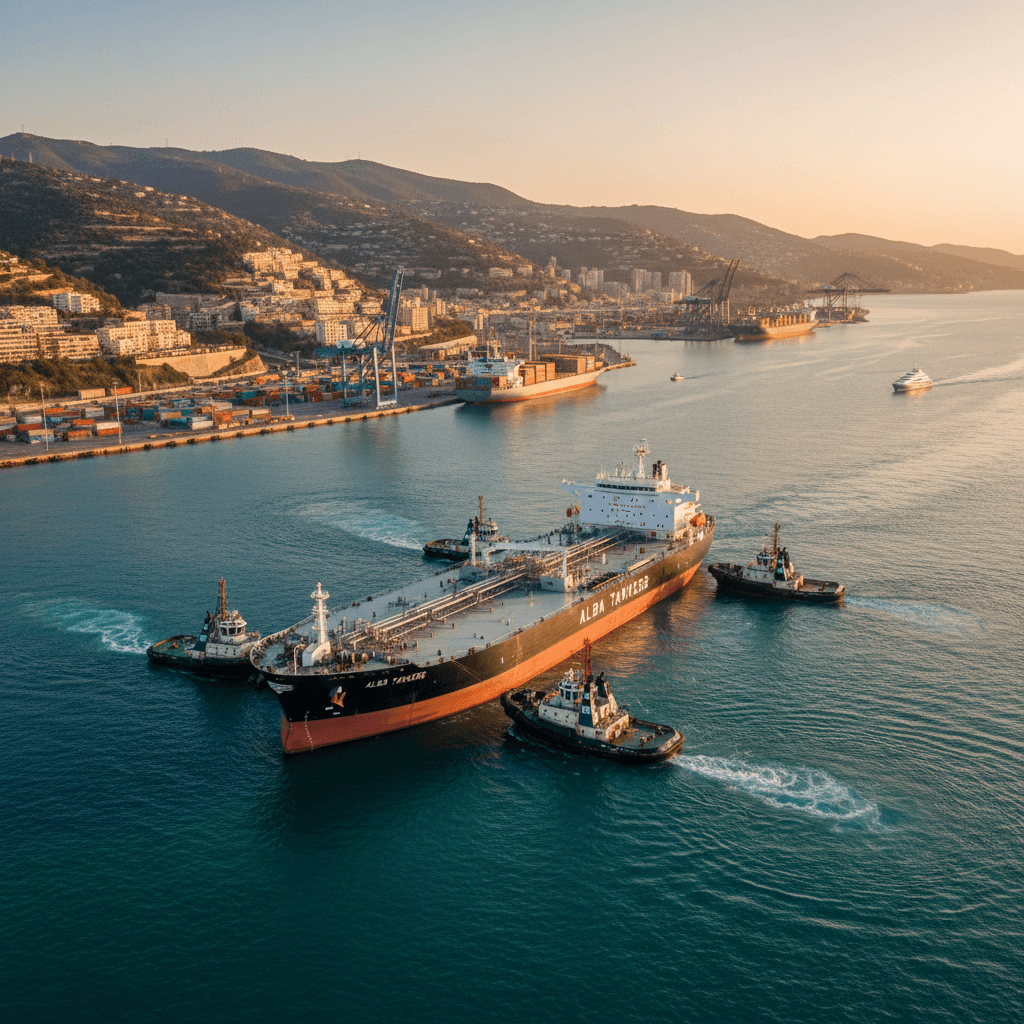
In a significant move within the European shortsea sector, Denmark-based Alba Tankers has been acquired by Zeaside Capital Partners. This strategic acquisition marks a major expansion for Zeaside, a Copenhagen-based shipping investment vehicle, as it seeks to solidify its presence in the chemical and clean petroleum product (CPP) markets.
Strengthening the European Tanker Footprint
The deal involves Zeaside partnering with a consortium of Danish and international investors to take full control of Alba Tankers. With operations spanning Denmark, Sweden, and Poland, Alba Tankers provides Zeaside with an established commercial platform and an immediate foothold in the competitive European regional trade routes.
Founded in 2015, Alba Tankers has built a reputation as a specialist in the small-tanker segment. The company’s fleet primarily consists of vessels below 20,000 dwt, optimized for the transport of:
- Refined petroleum products
- Liquid chemicals
- Vegetable oils
A Strategic Move for Zeaside Capital
The acquisition adds nine vessels to Zeaside’s growing portfolio. This comes on the heels of the firm’s recent co-investments in four ice-class tankers since mid-2025. By integrating Alba’s fleet and its Gothenburg-based commercial team, Zeaside is positioned to scale its operations rapidly.
Jan Eghøj, one of the founding partners of Zeaside and a veteran with 25 years of experience in German and Danish shipping, is set to lead the Alba business under the new ownership structure. The leadership team at Zeaside also includes Aaron Sen, formerly of Nord/LB and Seaspan, and Lars Steffensen, whose career includes high-level roles at Clarksons and Maersk Broker.
Market Consolidation on the Horizon
The takeover is viewed by industry analysts as a precursor to further localized consolidation. Zeaside has expressed a proactive stance toward growth, indicating that the acquisition of Alba Tankers is a foundation for future partnerships and fleet expansions. "We see potential for further market consolidation, and our door is open for cooperation," the company stated regarding the transaction.
For the regional maritime industry, this change in ownership represents a shift toward more centralized investment-led management in the shortsea tanker segment, ensuring that specialized fleets maintain the capital backing necessary to navigate evolving environmental regulations and market demands.