
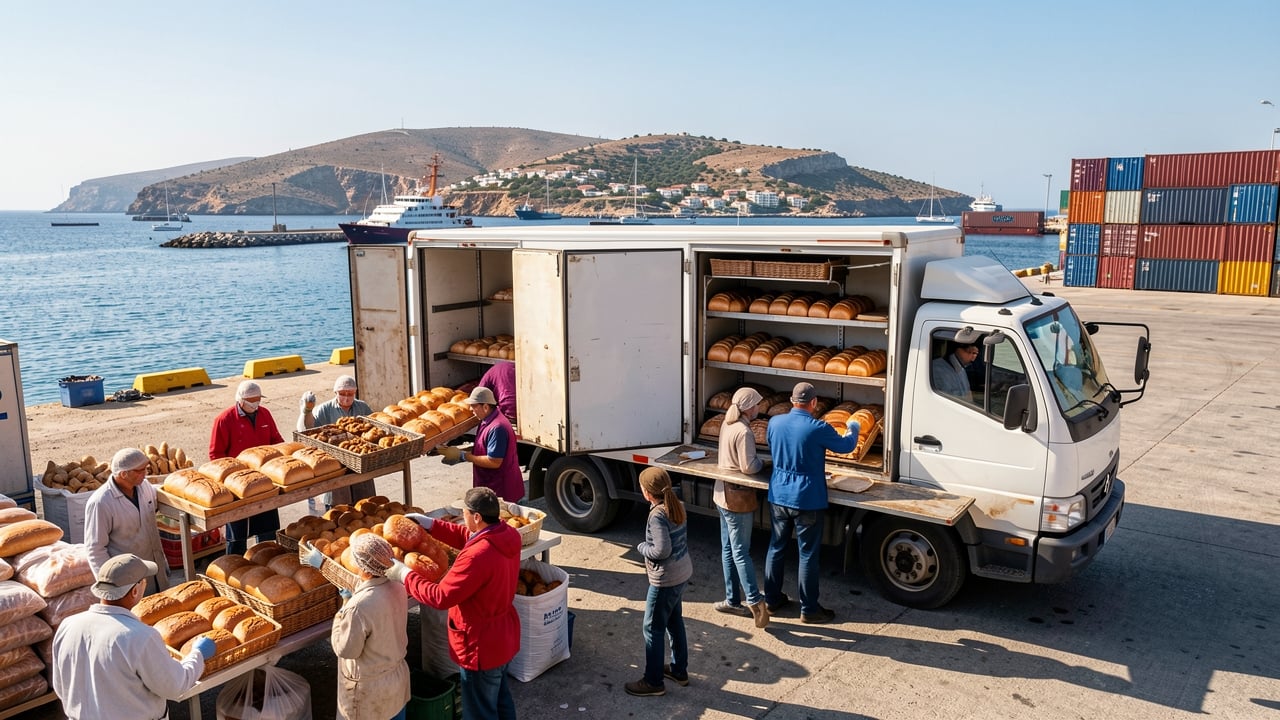
From a Small Workshop to a National Bread Network
In the early 1970s, Andreas Zorbas, the eldest of nine brothers, left primary school in the third grade to learn the craft of furniture making. His perseverance transformed a modest carpentry shop into a diversified group that now reaches every corner of Cyprus. The story was shared by his son, Tasos Zorbas, Executive Director of the Zorbas Group’s industrial units, during the Success Stage at INspire 2026.
Early Entrepreneurship and Agricultural Roots
At 17, Andreas opened a small furniture workshop, producing tables and “port‑windows” for local homes. Barter was common – a cow often served as payment. Accumulating livestock, he eventually owned about one hundred cows and launched a dairy farm near the village of Pyroi. Milk distribution required a dedicated vehicle, marking the first step toward a logistics operation that would later underpin the family’s bakery empire.
The Turning Point: Conflict and Diversification
The Turkish invasion of 1974 disrupted Andreas’s farming plans. The farm was seized, leaving only the furniture workshop and the milk distribution network. To sustain the business, the Zorbas family pivoted to bread distribution, supplying local kiosks and stalls. What began with five loaves a day quickly expanded to ten, then twenty, and eventually 200 loaves, driven by the need to cover rising fuel costs and meet growing consumer demand.
Establishing the Zorbas Oven Brand
In October 1975, the first Zorbas Oven opened its doors. Leveraging their existing transport fleet, the Zorbas Group optimized routes across the island, integrating sea‑borne cargo from Limassol and Larnaca ports to inland distribution points. Their approach combined:
- Dedicated refrigerated trucks for fresh‑bread delivery.
- Strategic partnerships with maritime carriers to import wheat and baking inputs.
- Real‑time tracking systems that align with Cyprus’ port schedules, ensuring timely replenishment.
This logistics model not only secured a reliable supply chain but also created a benchmark for other Cypriot food manufacturers seeking efficient maritime‑land integration.
Lessons for the Maritime Community
From a modest carpentry shop to a nationwide bakery, the Zorbas story underscores the importance of flexible logistics, cross‑modal transport, and resilience in the face of geopolitical disruption. For shipping agents and port operators, the Zorbas case illustrates how close collaboration with inland distributors can unlock new cargo streams – from bulk wheat shipments to refrigerated trucks delivering daily fresh‑baked goods.
Today, Zorbas Ovens serve virtually every Cypriot household, a testament to the power of adaptive supply‑chain management and the vital role of maritime infrastructure in supporting local food security.